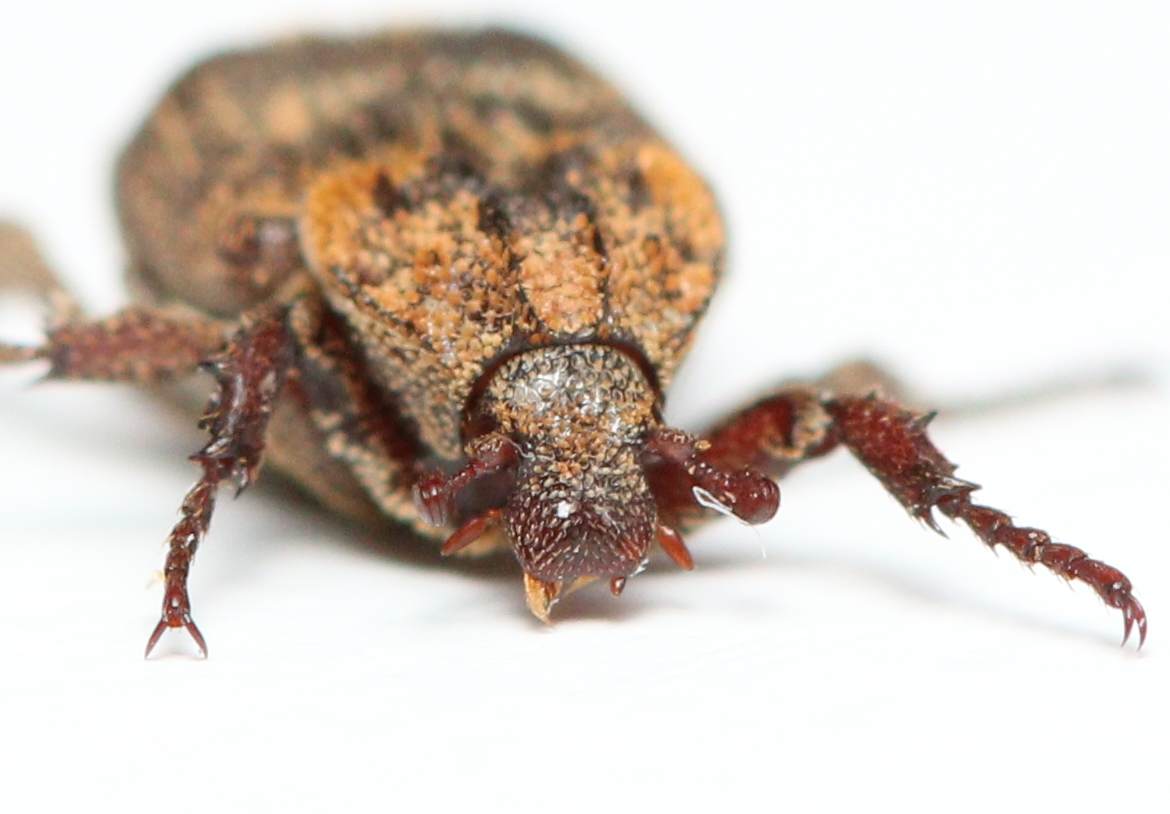
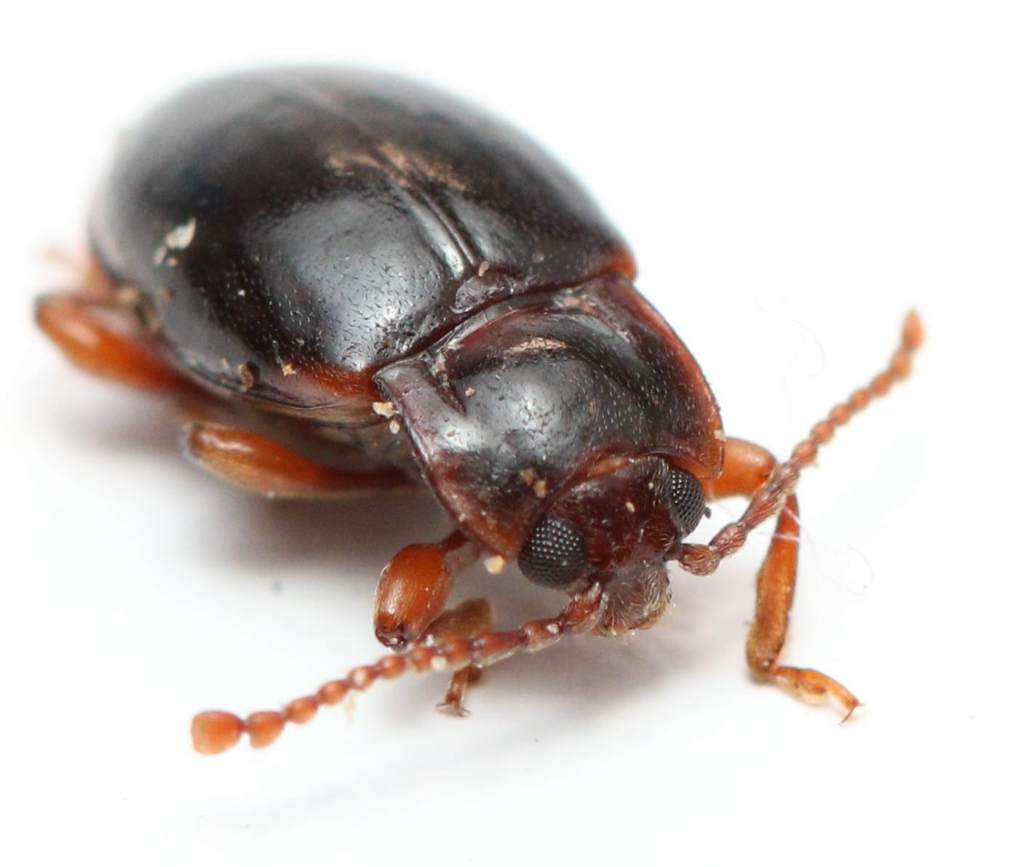
Brochymena quadripustulata
A member of Stink Bugs (Family Pentatomidae)
We begin at the very start! This remarkable species of insect is the only one that Isaac and I can consistently locate outdoors, even during the coldest winter months. They tend to hibernate in our wood piles, and as we gather logs to bring into the garage, we frequently encounter dozens of them. In my observations, this species is predominantly visible in the colder seasons. …They are the most lethargic stink bugs I’ve encountered, even after thawing, making them excellent subjects for photography.


Lacon discoideus
A member of Click Beetles (Family Elateridae)
This is another insect to be found somewhat commonly overwintering in woodpiles, but not so much anywhere else. It is one of my favorite click beetle species, and one of MD’s most striking. The iridescent orange scales on the head and thorax are pretty unique, and I don’t know of any other species that has that. This is another very sluggish species, and, unlike most click beetles, this one will often take hours to put its legs back out after a scare. That makes this species a distinctly bad photography subject. 😉
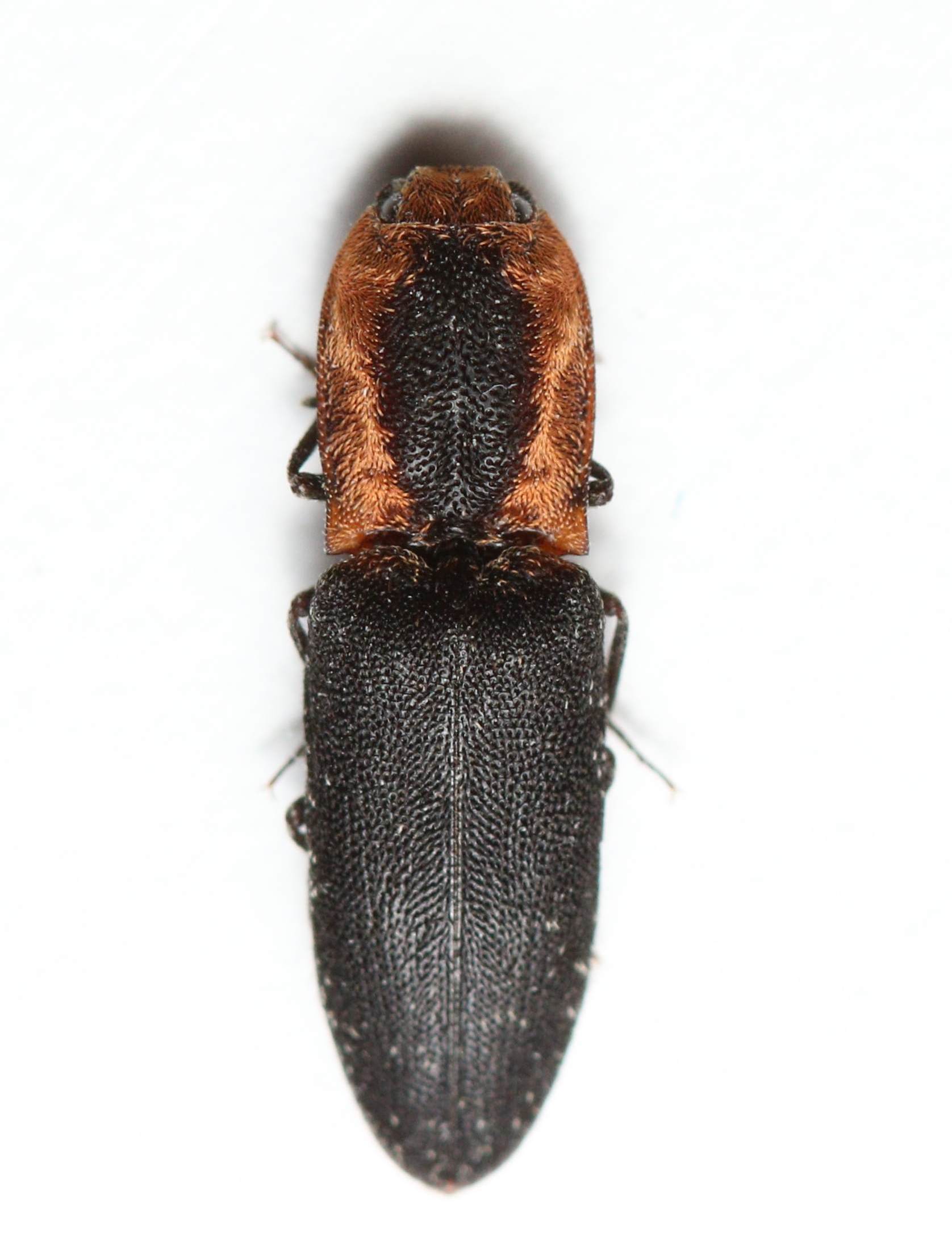

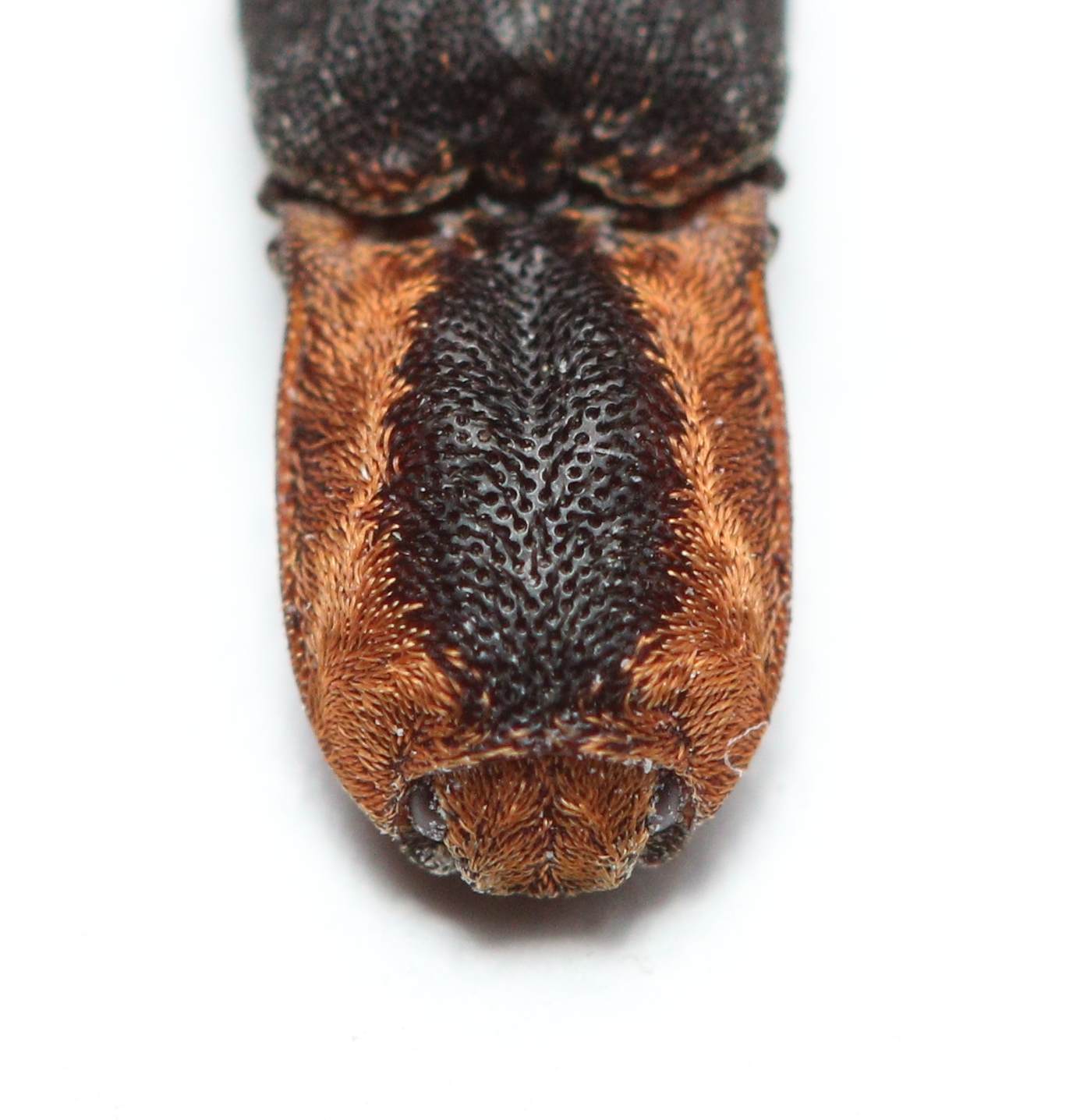
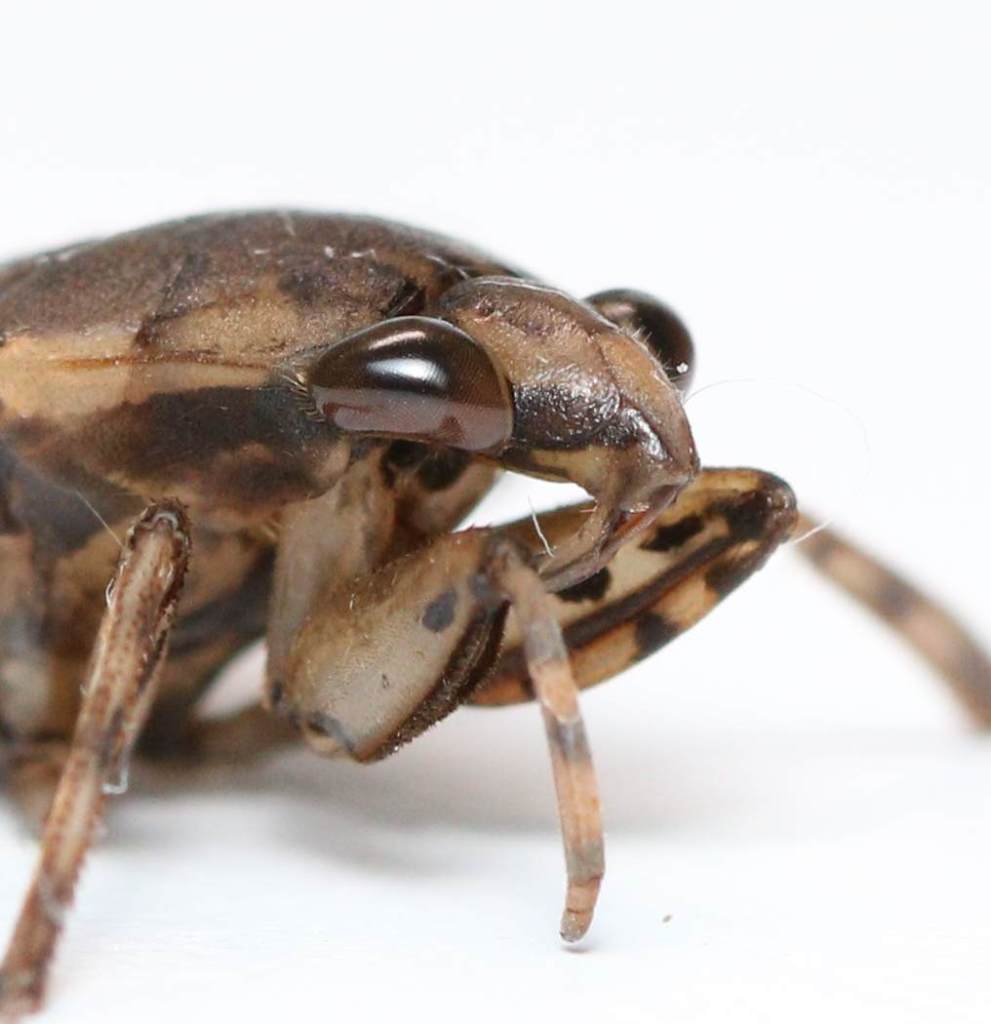
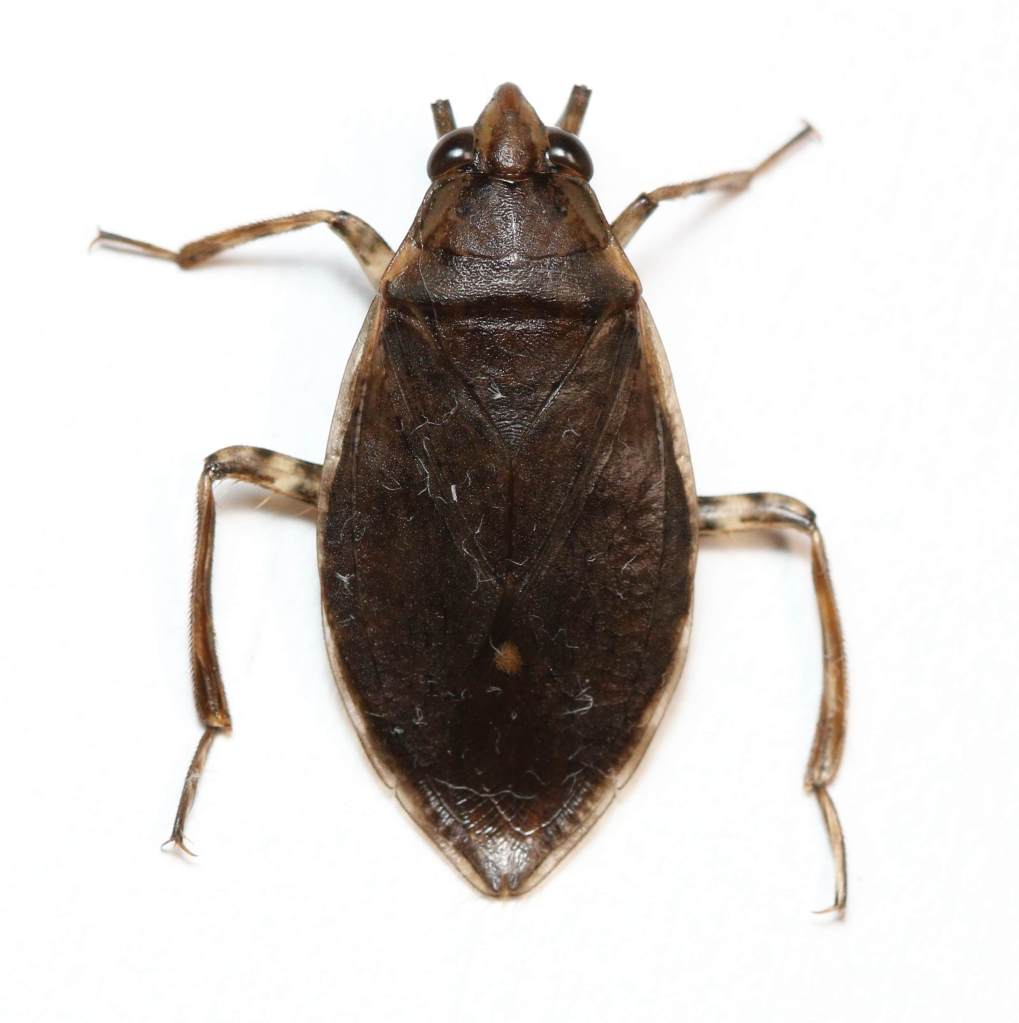
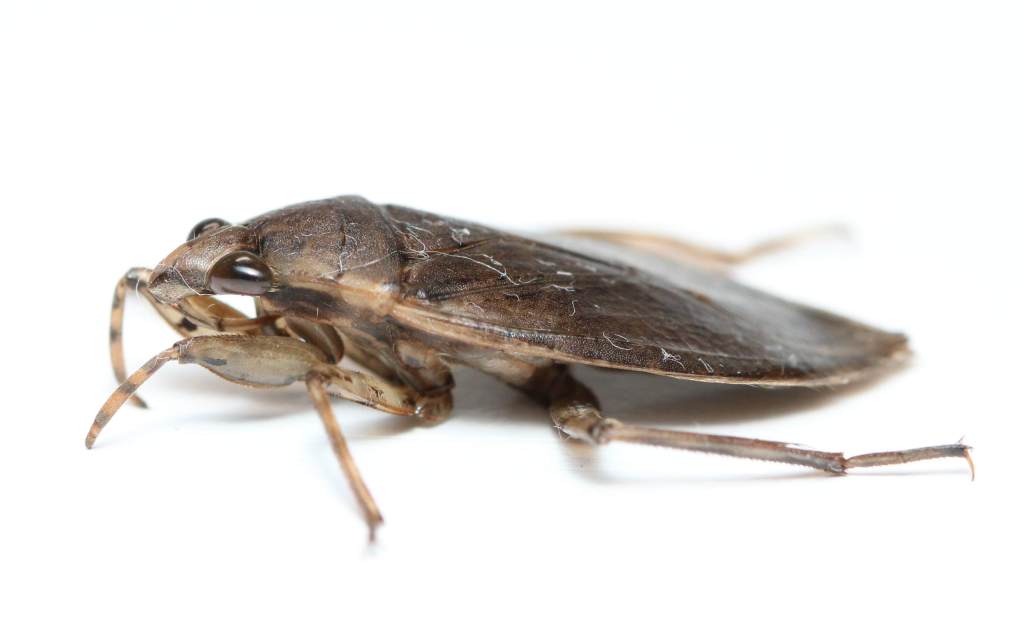
Belostoma species
A member of Water Bugs (Family Belostomatidae)
I feel obliged to hit you with yet another aquatic monster, this one a little more easy to find than the waterscorpion from last time. Last year we probably found close to ten of these while looking for aquatic beetles in our favorite spot. This particular specimen we have been keeping since last summer on dried crickets and other insects we catch. She still pounces on prey with the same ferocity that she showed when we first caught her. This species, unlike the waterscorpion, tends to hide in the mud and in the debris at the bottom of a lake to catch an unwary passerby. These guys tend to hide more and disguise less. That is why we bring them up so much when scooping up large mud samples with our net. But you can still see the same basic hunting technique: raptorial legs for grabbing prey and a rostrum for sucking them dry.

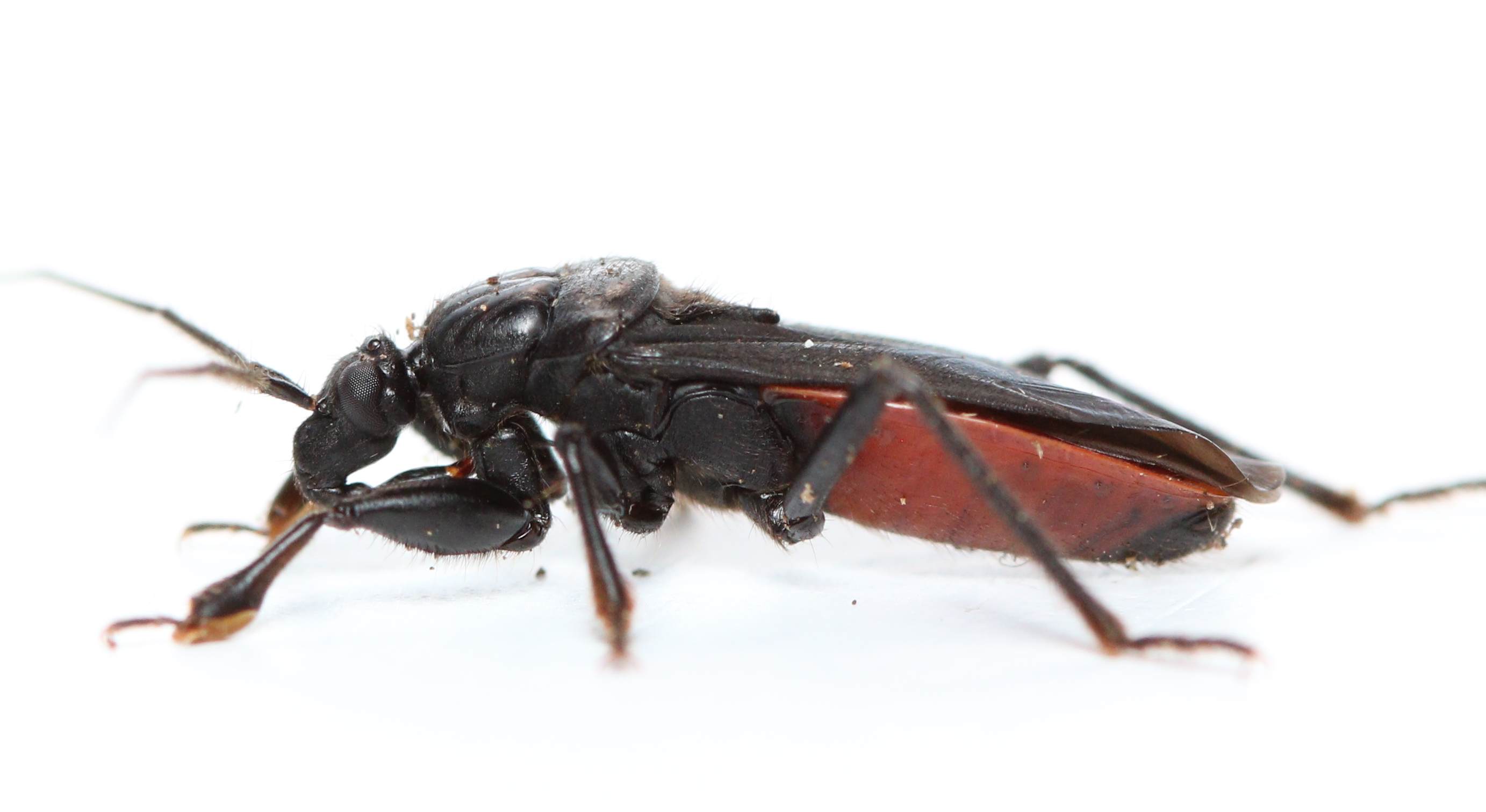
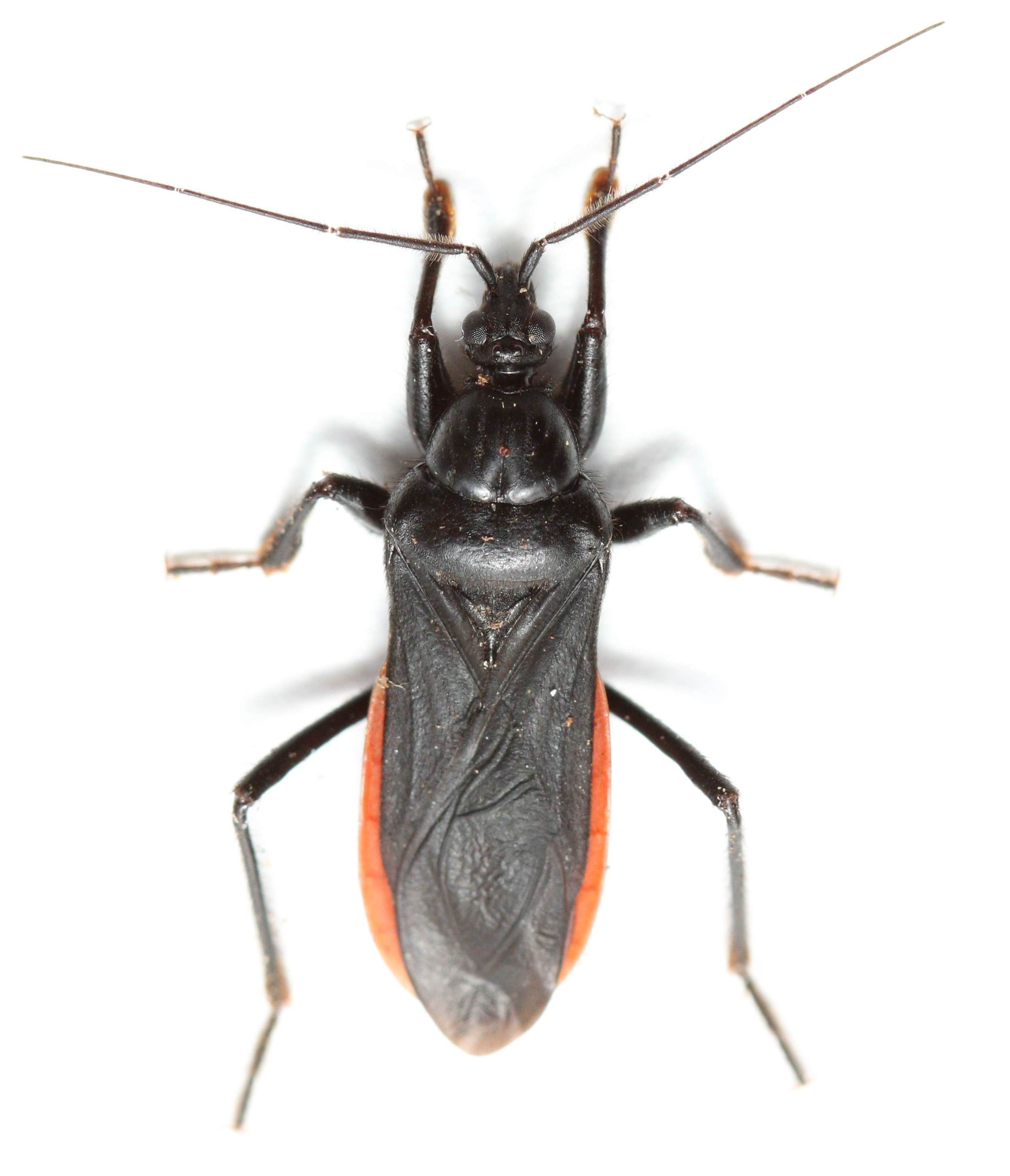
Black Corsair (Melanolestes picipes)
A member of Assassin Bugs (Family Reduviidae)
While we were at it, I figured to put in another good-sized true bug predator. The black corsair is one of the more common assassins at our place, but not one of my favorites. This one hides under logs unlike most of its cousins, and tends to hunt more helpless prey than its relatives, or else attacks its prey from behind. This species is unique in that it reportedly attacks large scarab beetles like May Beetles from behind, grabbing on with the sticky pads that you can see on the front pair of legs. A very cowardly and treacherous species (reminds me of Gollum from Lord of the Rings!).

Possibly Monocrepidius lividus
A member of Click Beetles (Family Elateridae)
To be honest, I had no idea that click beetle faces looked so cool until I shot this guy. This particular one had a lot of light-colored hair that enabled me to get some very clear shots. Unfortunately, many of the chestnut/brown/red click beetles are very hard to ID to species and require an expert and/or a dissection and examination of the terminalia.
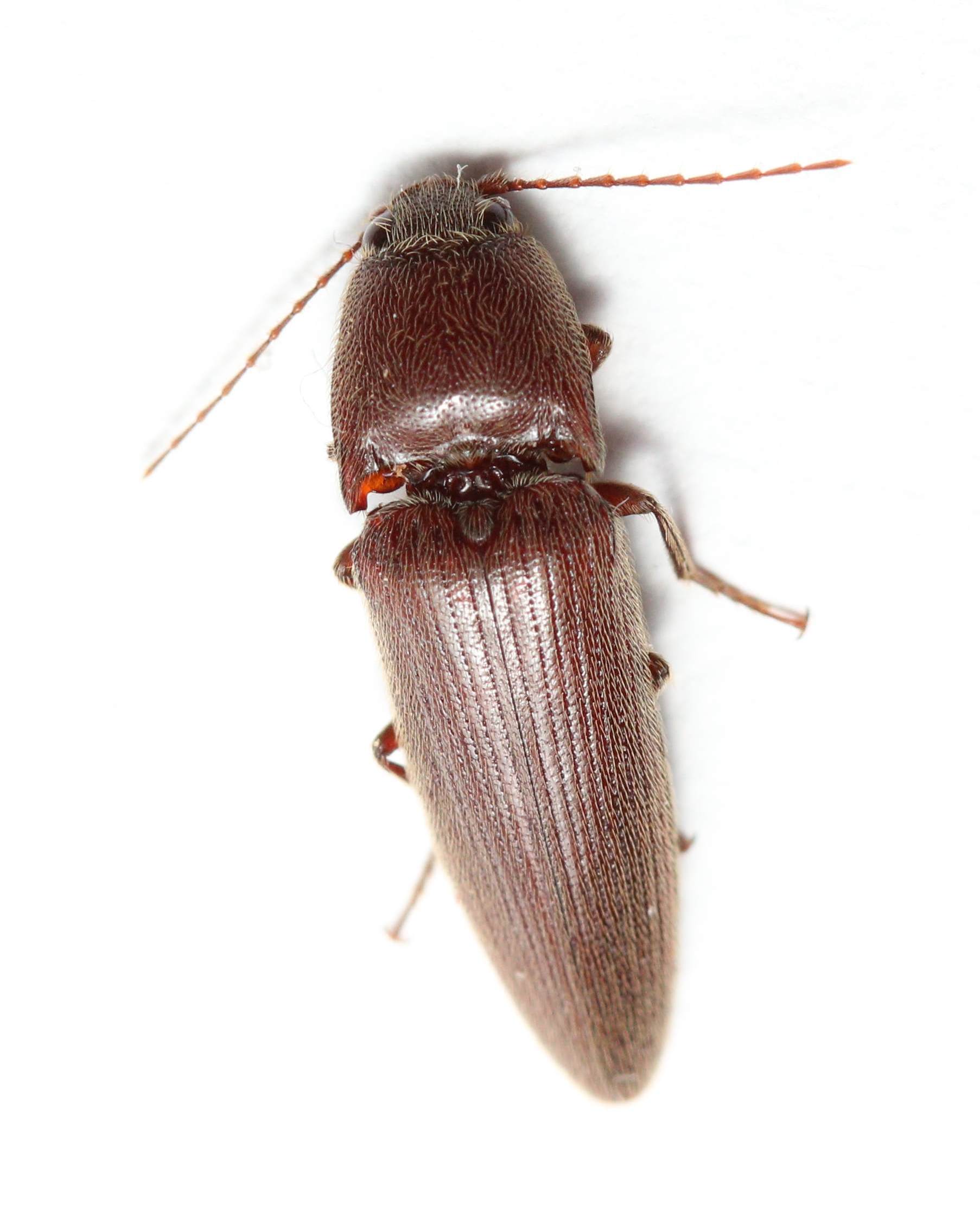
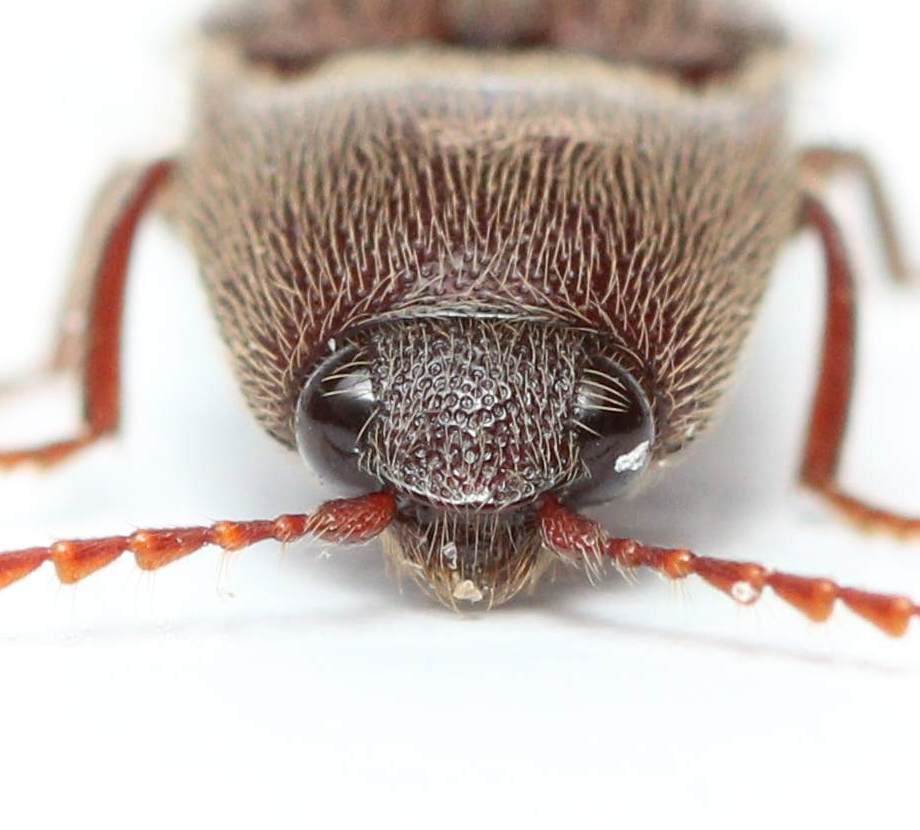
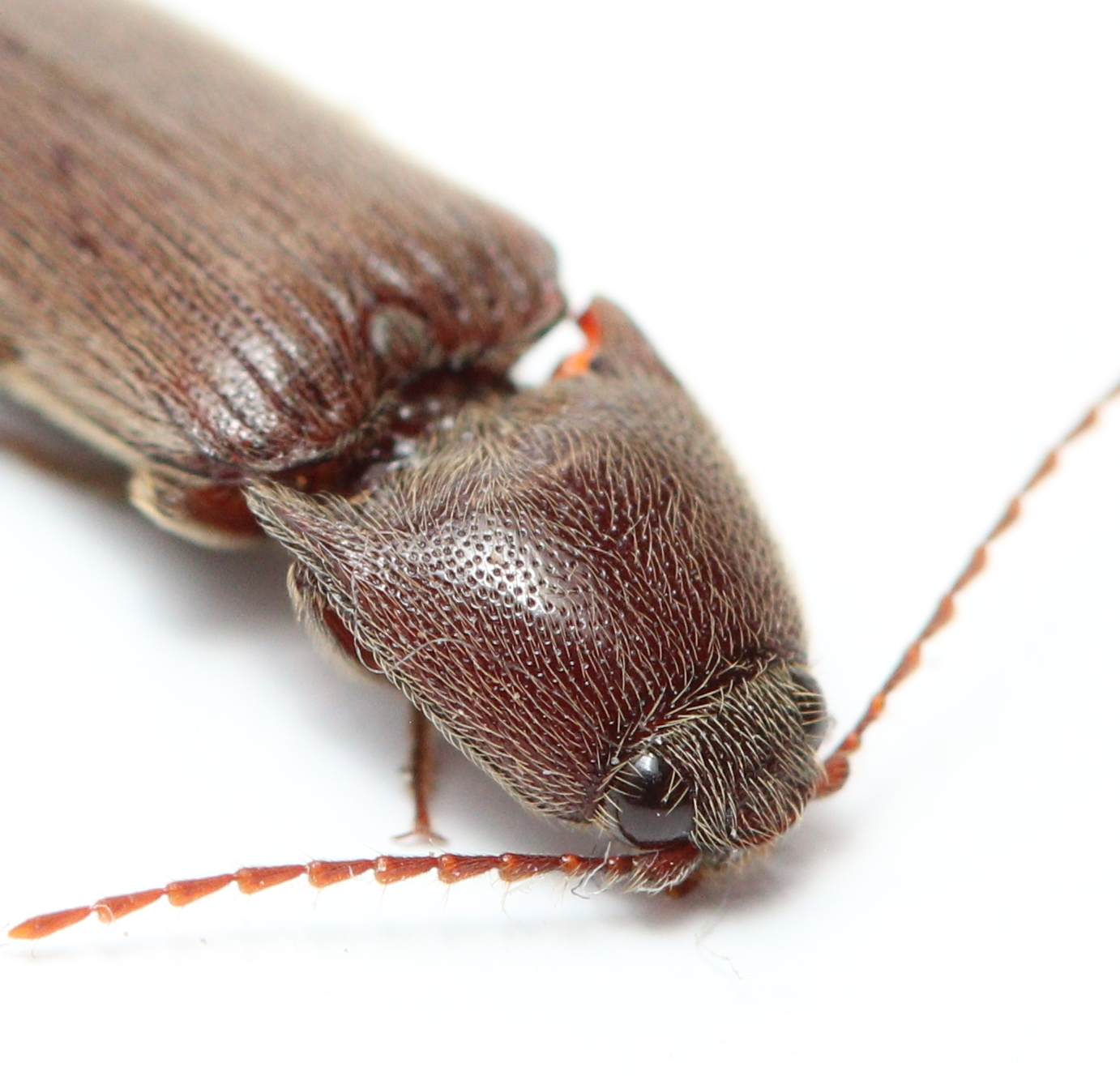
Sweet Click Beetle (Aeolus mellillus)
A member of Click Beetles (Family Elateridae)
In contrast to the last entry, this species is very distinctive and easy to ID. This is a pretty common click beetle in our area and one of the smallest. This species often proves hard to catch (and photograph!) due to its extremely annoying tendency to click repeatedly and run like mad as soon as it is disturbed. This is the most energetic click beetle that I have ever encountered.


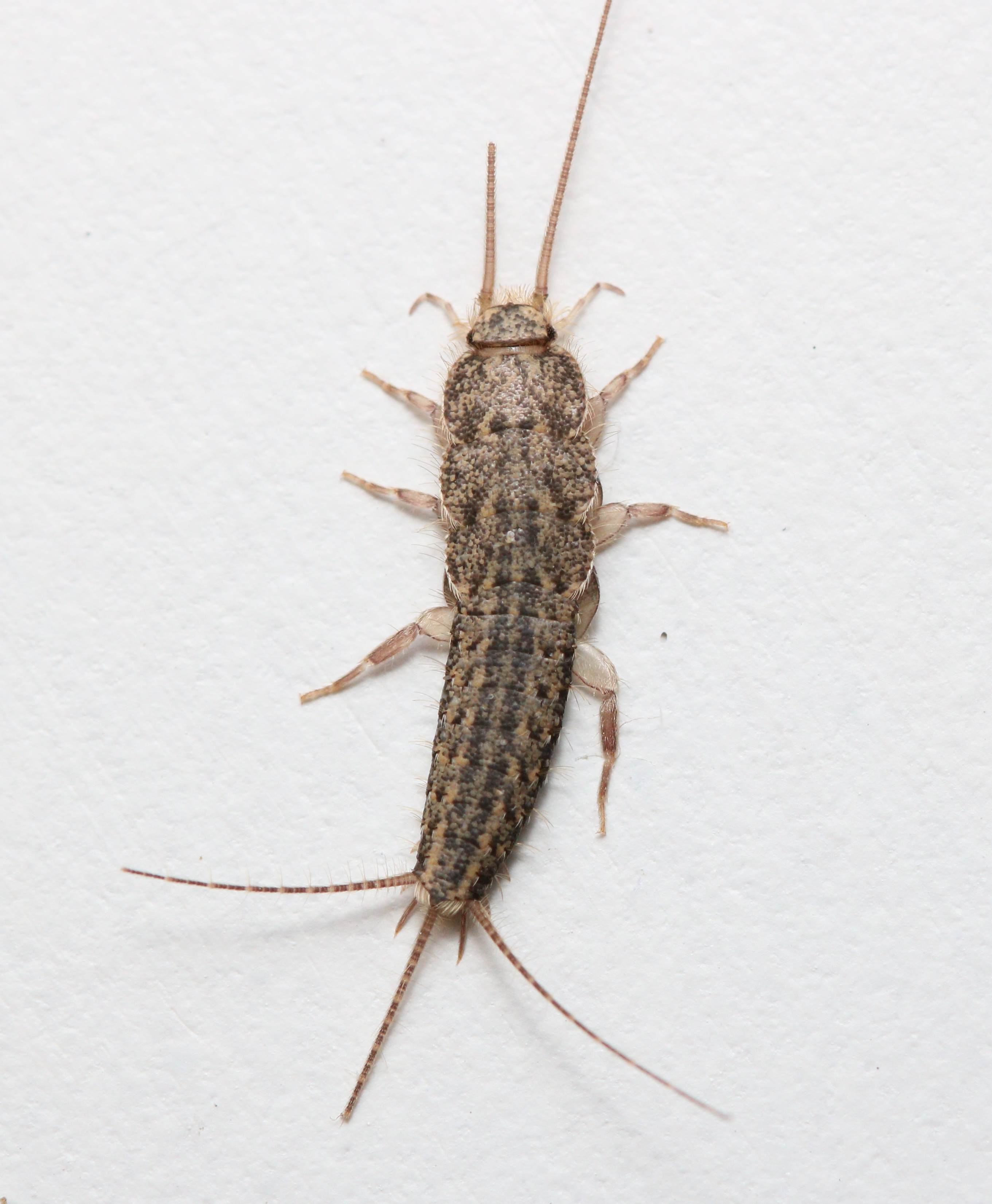
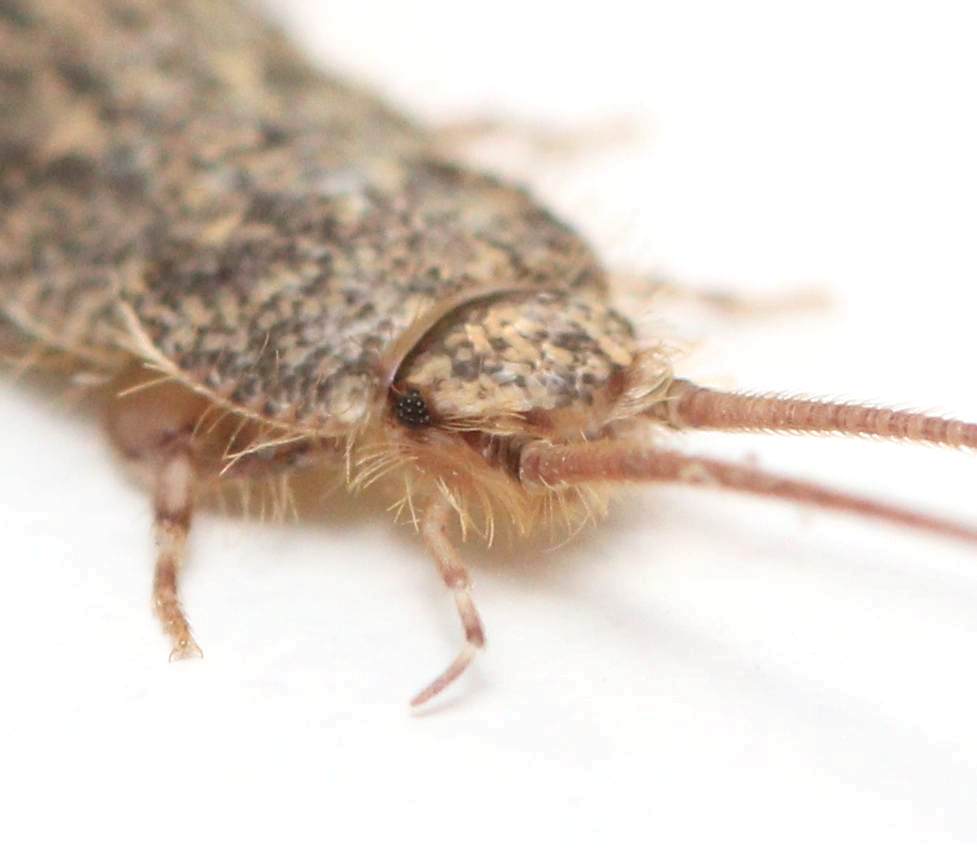
Four-lined Silverfish (Ctenolepisma lineatum)
A member of Typical Silverfish (Family Lepismatidae)
It’s funny, but until now I have never photographed a silverfish before! Though they are always around, it just never occurred to me to get pictures of one. I was just bored one day last month, so when I spotted this silverfish I figured I might as well shoot it. That’s when I discovered how cool and unique these creatures are! They are in fact covered in scales, like on a butterfly wing except bigger, their heads look exceptionally alien, and they have odd plates under their bodies that their legs attach to. I wonder why? I have a lot to learn about these disregarded or hated creatures, and I plan to photograph more in the future!


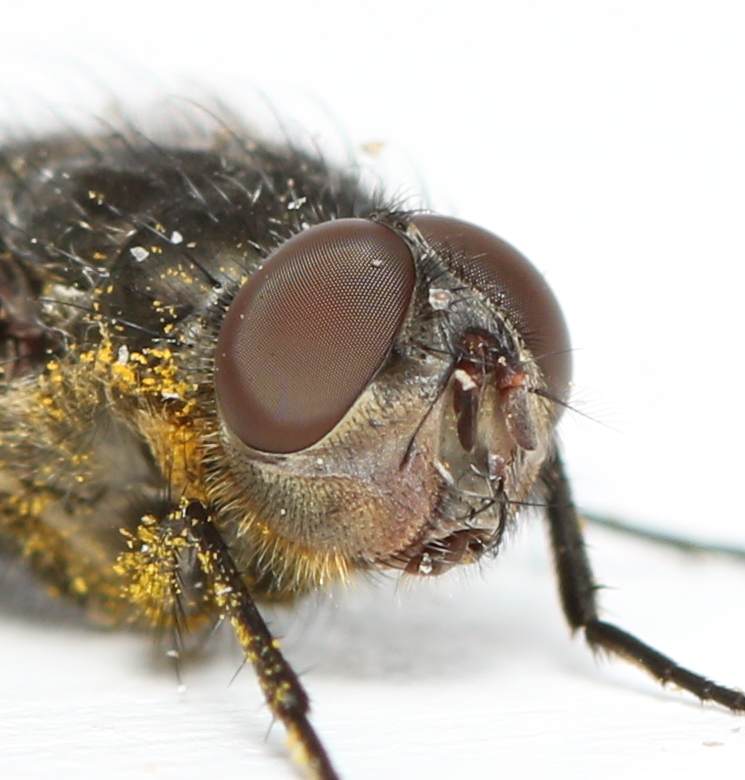
Cluster Fly (Pollenia species)
A member of Family Polleniidae
I wanted to introduce you to a few common flies that you can expect to encounter. One of the most common flies, especially in the spring, is the genus Pollenia. These are called cluster flies because of their mass hibernation habits, and their scientific name comes from the fact that these flies are almost always seen with pollen or dust caught in their hair. I don’t know why that is (other pollen-consuming flies don’t have it stick to them nearly as much), but it is pretty constant when I encounter members of this genus. One of the first characteristics of this genus is their size. Most species are very large and the only other flies like them are large tachinids (but usually are brightly colored and have stiff bristles all over them) and blow flies in the subfamily Calliphorinae (distinguished by having reflective blue abdomen). Also check for silver patterns on the abdomen to confirm that you have a Pollenia.



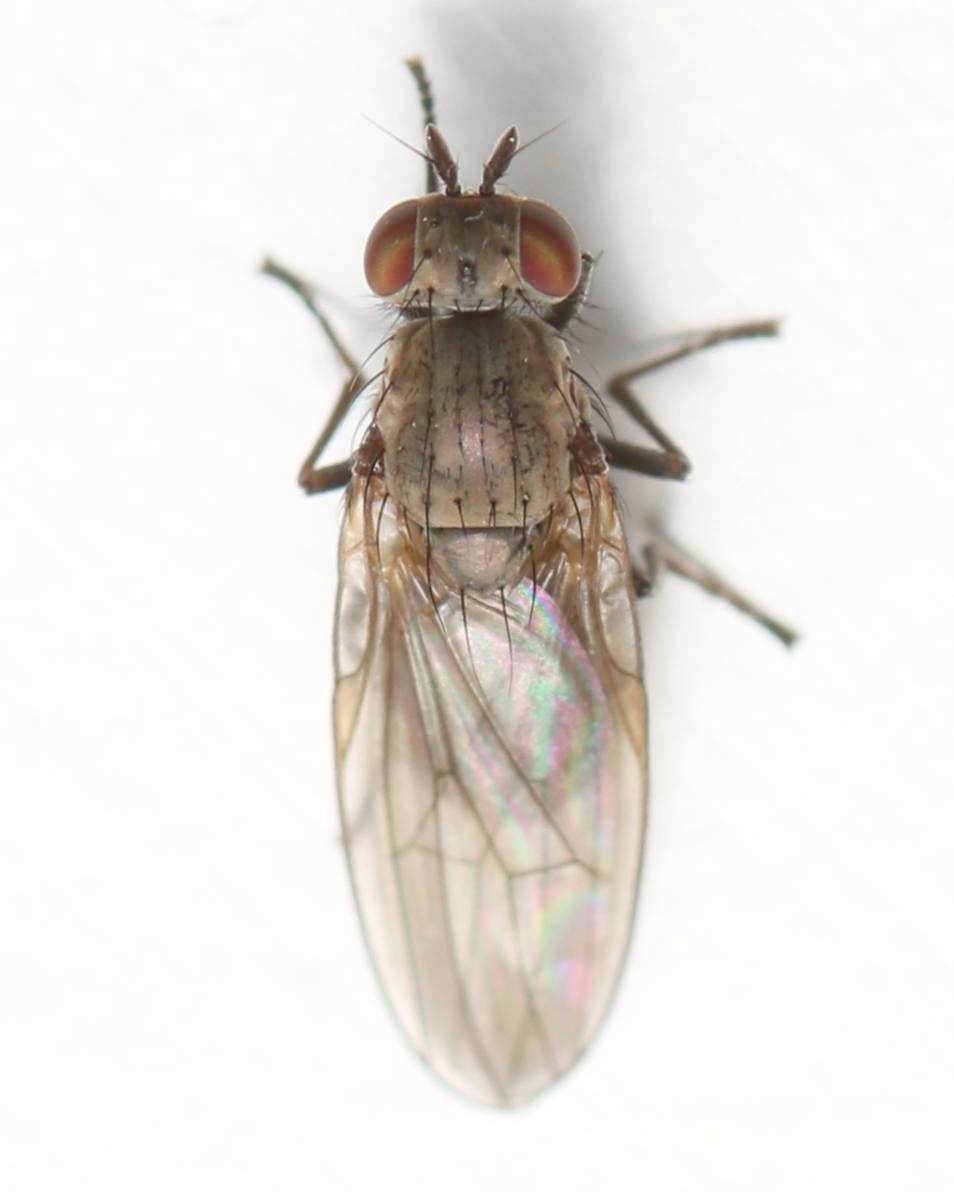
Sapromyza species
A member of Family Lauxaniidae
This is another very common fly to come across in the late winter/early spring and can often be seen in fall as well. This particular species, whatever it is (S. brachysoma or something close), is small and inconspicuous, but can be seen on your deck, grill cover, etc. during the afternoons, usually in the shade. They will often sit still for hours at a time! Once I found out where to look, I can usually f ind upwards of five every day.

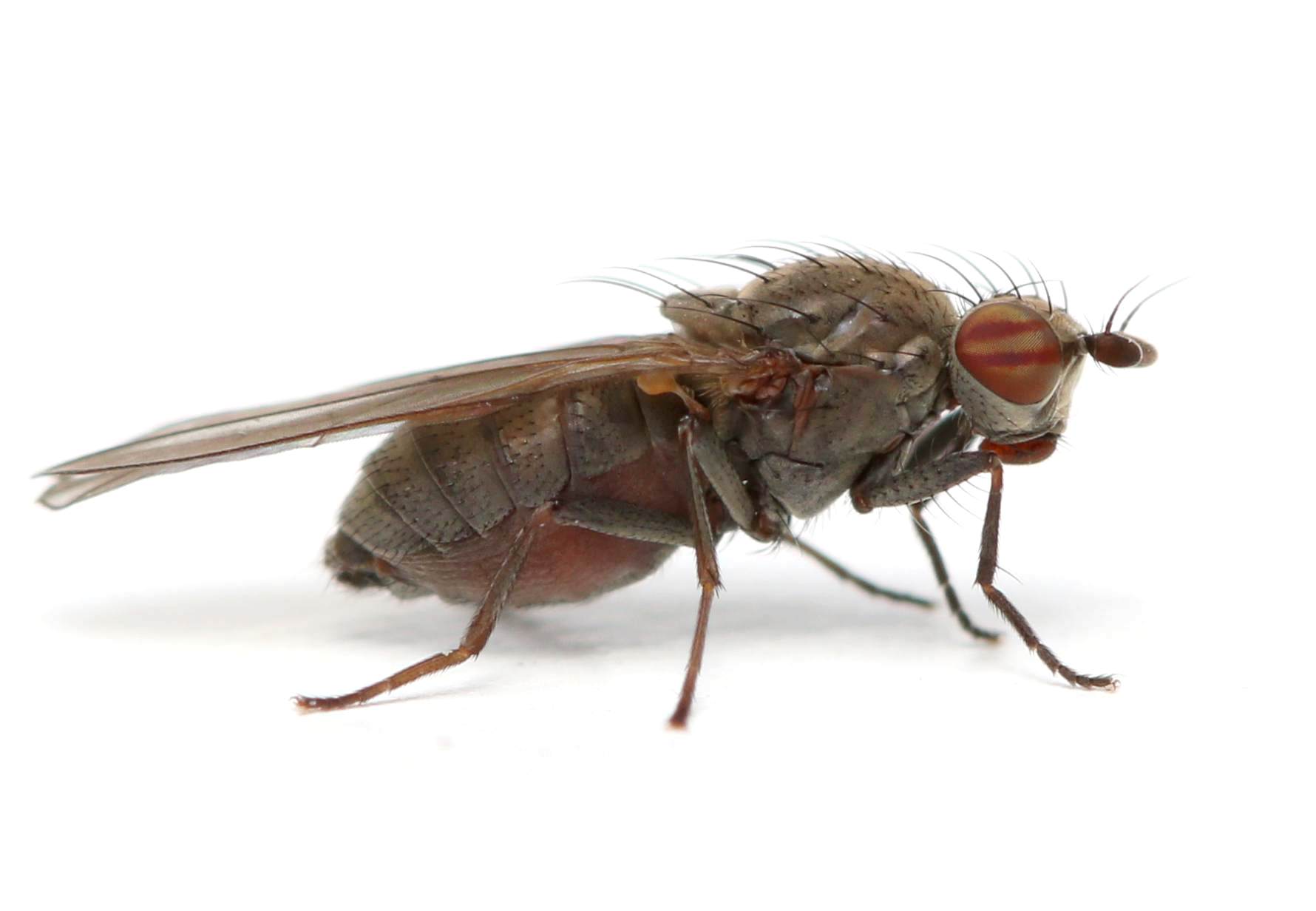
Probably Chalcosyrphus metallifer
A member of Hover Flies (Family Syrphidae)
This group of hover flies, the subtribe Xylotina, can be recognized almost universally by their swollen hind femora. These guys can be seen spring through fall, but are most common in spring and fall. This particular species is one that I have never seen before, and probably the earliest record of a Xylotina for us so far. This volume of white hairs covering a Xylotina seems to be very uncommon, and it took me a while to match this with a species name.


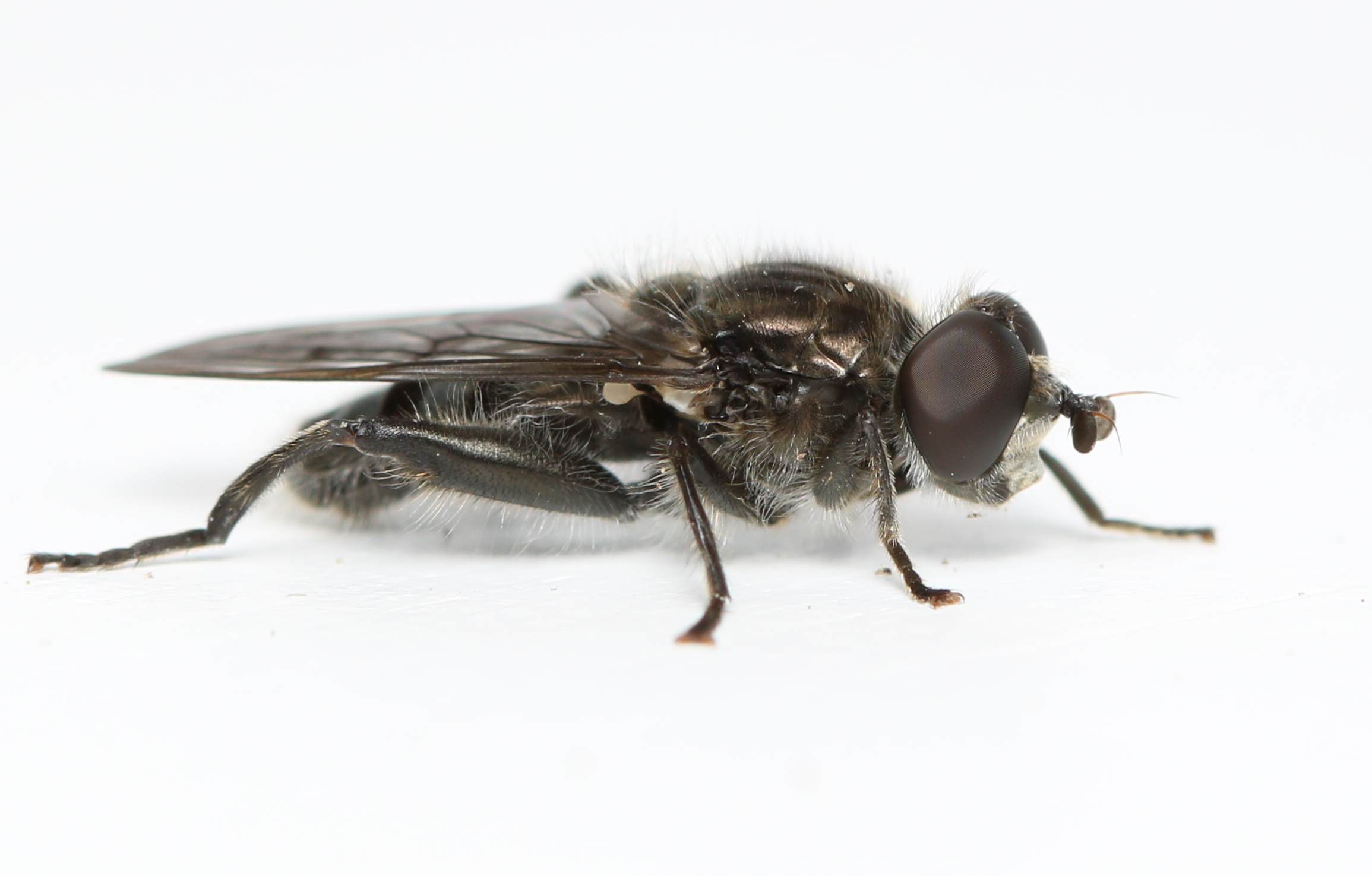
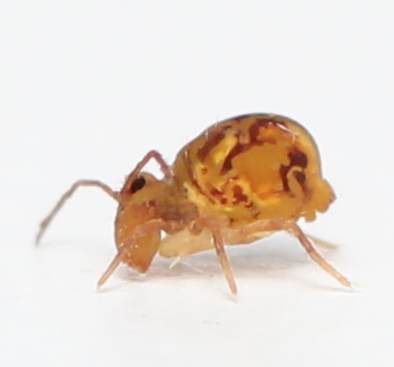
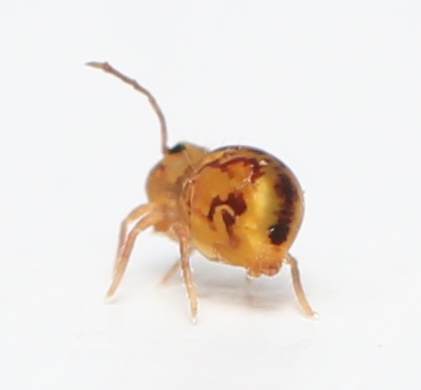
Dicyrtomina ornata (several specimens)
A member of Globular Springtails (Order Symphypleona)
We have arrived at the micro scale! The globular springtails that we see most often get no bigger than a couple millimeters, and are often smaller. Globular springtails often can be found by flipping logs or wood pieces or by sifting soil/leaf litter. They are often very hard to see and actually blend in with their surroundings remarkably well.


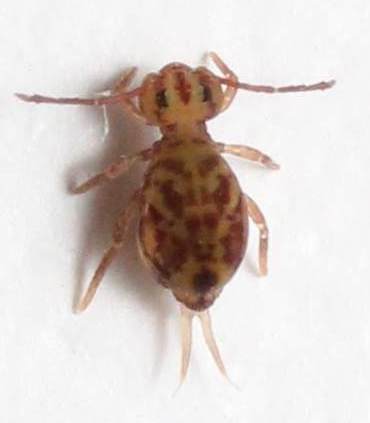
Springtails are not insects, but more closely related to them than crustaceans, spiders, centipedes, and millipedes. They are distinguished primarily by internal mouthparts, contrasting with the external mouthparts of insects. All springtails have an appendage on their undersides connected to a powerful muscle, spring-loaded to launch then high in the air when they feel threatened. While this appendage is usually folded in, the specimen above for some reason has it out long after springing.These creatures are very unique and always amaze me when I see them. All springtails have inflatable eventral sacs, but apparently the sacs of globular springtails are long, translucent tubes that serve multiple different purposes. The biggest function has to do with maintaining internal osmolarity, but globular springtails have such long tubes that they actually help to flip the springtail over when it is on its back. I hope to be able to see and photograph one with its ‘tube’ inflated!

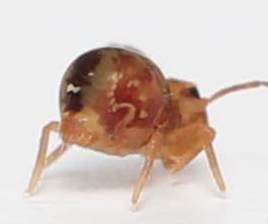
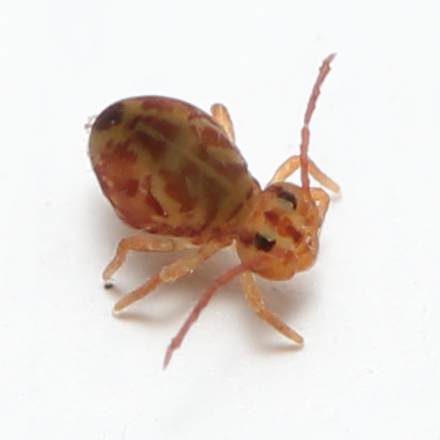
We have seen one other species of globular springtail about two years ago on our property, but since then all the dozens of specimens we have found are of this species. We are always looking for another species of globular springtail, and if we ever do succeed again it will make our year! We have started some soil sifting techniques, and are planning to get more into it when the weather gets warmer and the topsoil is more insect-saturated. Keep an eye out for these tiny little arthropods, but I warn you: it takes more than a casual glance to spot these guys. You first have to assume that there is something where you are looking, and with that in mind, you just have to find it! Good luck!

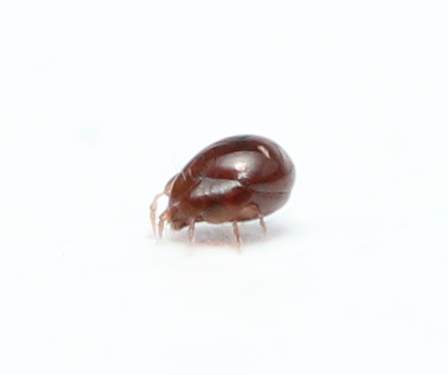
Galumna species
A member of Mites and Ticks (Subclass Acari)
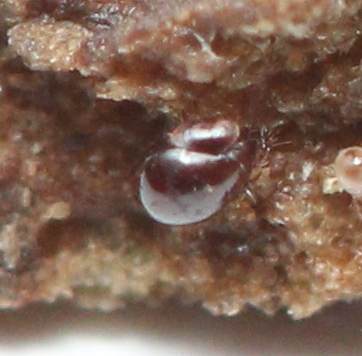
These tiny mites are at least five times smaller than the smallest globular springtail that I have ever seen, so hopefully you can excuse my picture quality. 😉 I found a whole colony of these bizarre mites in an old pet cage that had a layer of leaf litter, some wood to hide under, and some rotting fruit in it. Perfect conditions for a whole array of soil life! They seemed content to live among the hundreds of silver springtails and various other mite species in the old container. I opened the cage to clean it out last month, but noticing that the cage was serving as a perfect habitat for a whole hierarchy of life, I became so wrapped up in watching the community that it was a half an hour before I could pull myself away and put the lid back on. The next day I came back to photograph this little cage, and spent my whole hour of photography class on it that day! I had no idea that creatures like this existed, and I am hoping to purchase a clip-on lens to give extra magnification and capture these little critters in greater detail!

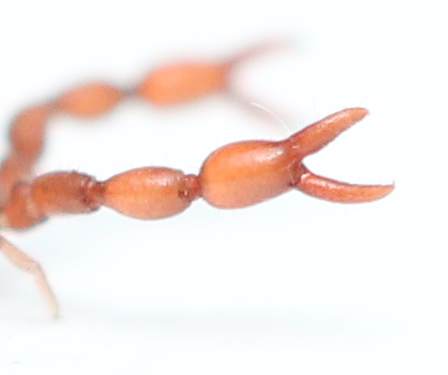
Probably Family Chernetidae
A member of Pseudoscorpions (Order Pseudoscorpionida)
You may be wondering what would eat the previous entry in the little utopian community I discovered. Well, the answer is pseudoscorpions. Lots and lots of pseudoscorpions! And it wasn’t just the mites that they were eating. There were very possibly over a thousand little springtails (not globular) in the cage as well (picture below). As the springtails took over, the predators grew exponentially alongside.


Pseudoscorpions are very unique arachnids, and very aptly named. They seem like a type of scorpion, but they are a whole different group. Hence the prefix ‘psuedo,’ or false. They are very common under logs, and presumably hunt small soil arthropods like springtails and mites in the wild, same as in our pet cage. As for how they get from place to place on such small legs? Well, their amazing technique has to wait until next time. I will elaborate more on pseudoscorpions in the next email, where I will be showing off a different, bigger species. Stay tuned!


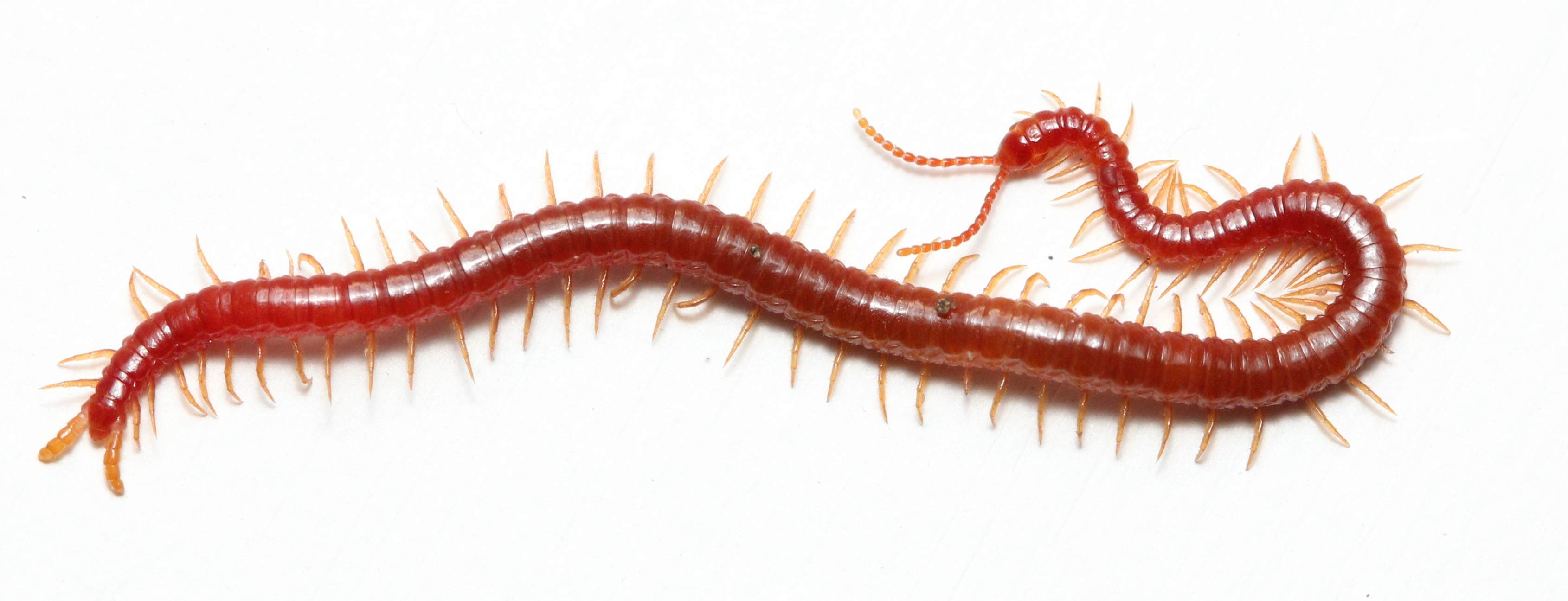
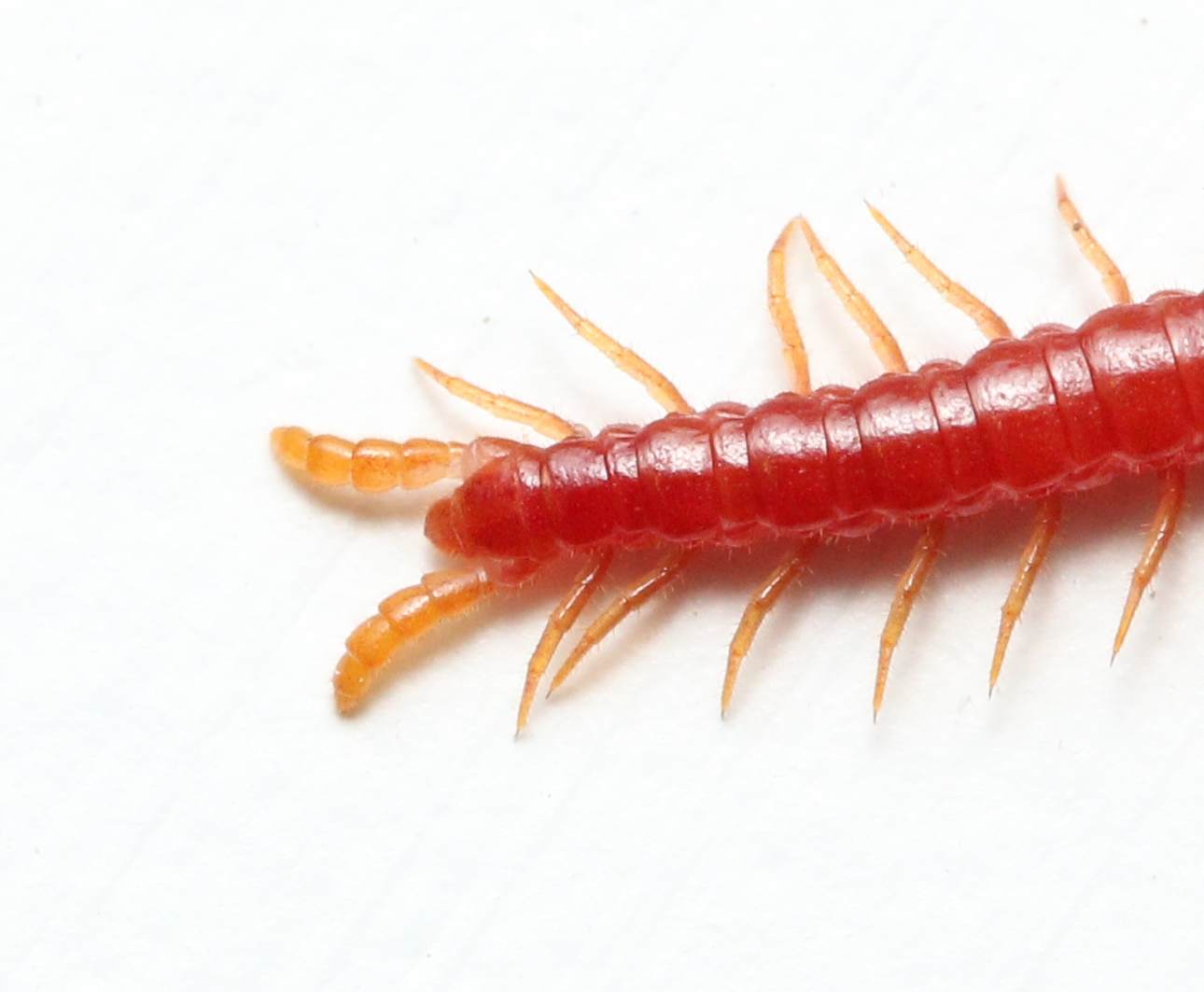
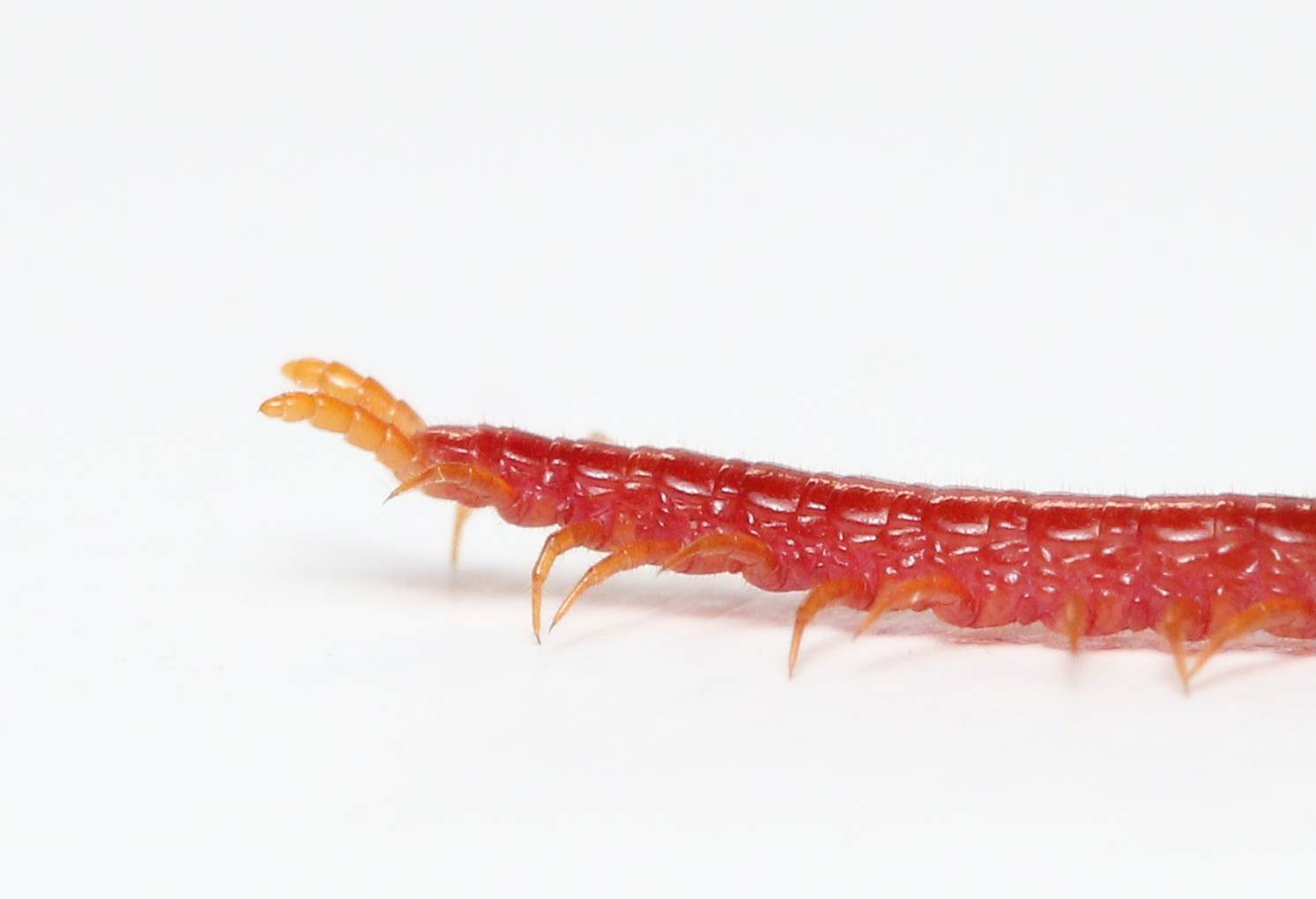
Strigamia bothriopus
A member of Soil Centipedes (Order Geophilomorpha)
To finish off our little ecosystem study, we have to include the top member of the food chain. While we didn’t find this particular specimen in our container, we have confirmed there is a soil centipede in there. If you have read my millipede/centipede comparison, you will know why centipedes are the top of the micro-world food chain. In particular, soil centipedes are the ones that specialize in small arthropods, and strike terror into the hearts even of pseudoscorpions. Just take in that amazing cherry coloration! This guy was much nicer to me as a photographer than the brown centipede, and was thoughtful enough to realize that I deserved a bit of a break from the crazy activity that I had been tormented by in almost every other subject that day. While we do find soil centipedes often, we seldom find one with this coloration. We mostly find one of the smaller and more boring species in the genus Geophilus.


Mezira subsetosa
A member of Flat Bugs (Family Aradidae)
All this talk of different members of the under-log ecosystem reminded me to include another interesting family that haunts our logs. Flat bugs are obscure bugs that are very good at escaping attention while in plain sight. They are, like their name suggests, very flat, and their coloration and roughness allows them to blend in so perfectly with the logs that they tend to cling to the sides of. They also love to hide under bark, especially during the day, coming out to feed on fungus at night. If you are in the vicinity of logs, it is highly likely that you can find some of these common bugs if you look!


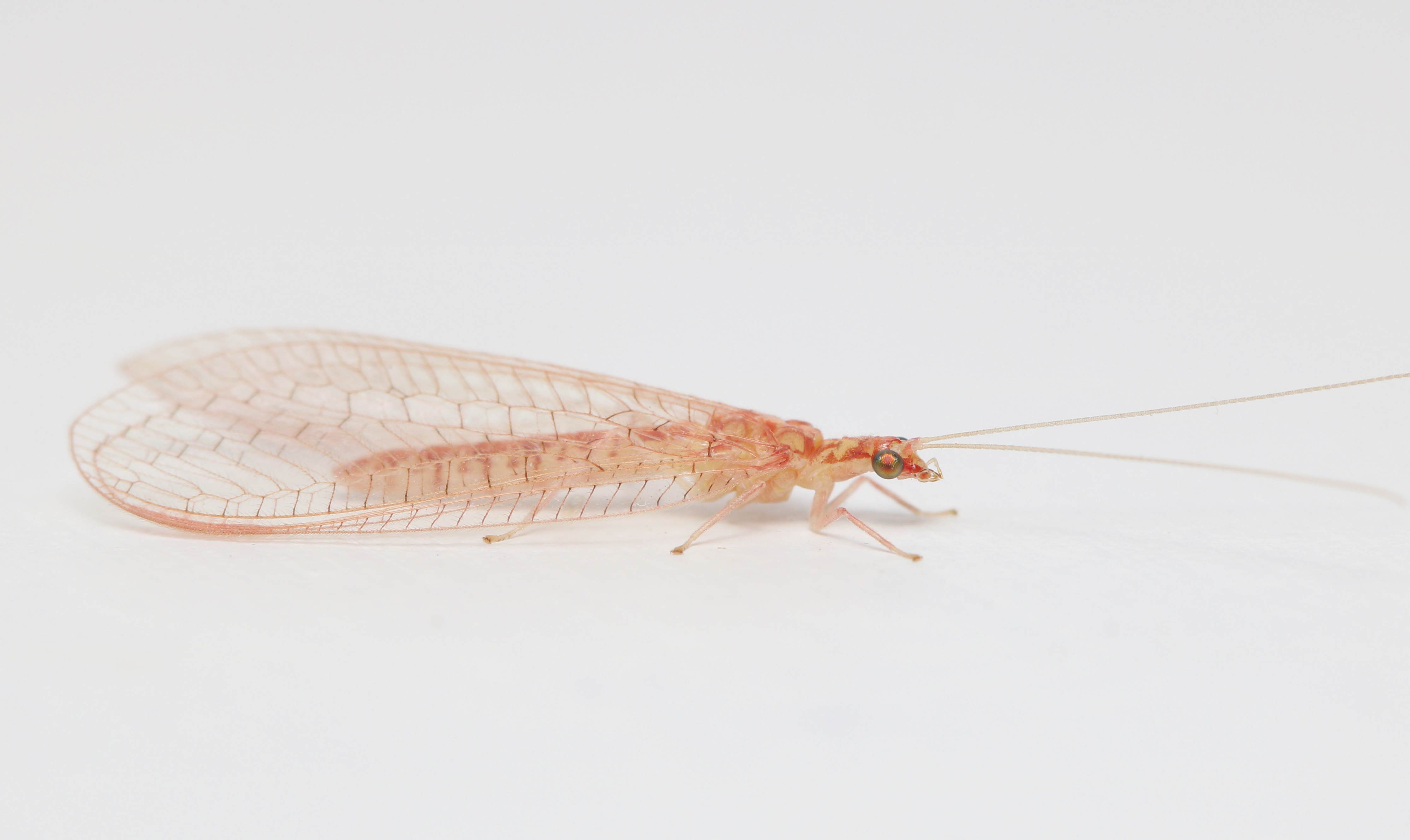
Probably Chrysopa species
A member of Green Lacewings (Family Chrysopidae)
This lacewing struck me when I saw it flying around our porch light, because I didn’t recall ever seeing an orange lacewing before. I later found out that it is just the winter form of the common green lacewing family that I see all the time. The eyes were magnificent, and it is a pity that I couldn’t get better pictures. I will have to try again! Even after being refrigerated for hours, this specimen was hyperactive. Even with Isaac’s help, it was still over twenty minutes before he settled down enough for me to get decent shots.


Bold Jumper (Phidippus audax)
A member of Jumping Spiders (Family Salticidae)
I cannot stress just how amazing jumping spiders are, and they are a favorite of so many macro photographers and nature enthusiasts. Take one look at this philosopher and you might see why. This group of spiders is most famous for its visual hunting techniques, followed up by a supremely calculated jump that instantly pins unsuspecting prey. They probably have a better understanding of physics than I do!

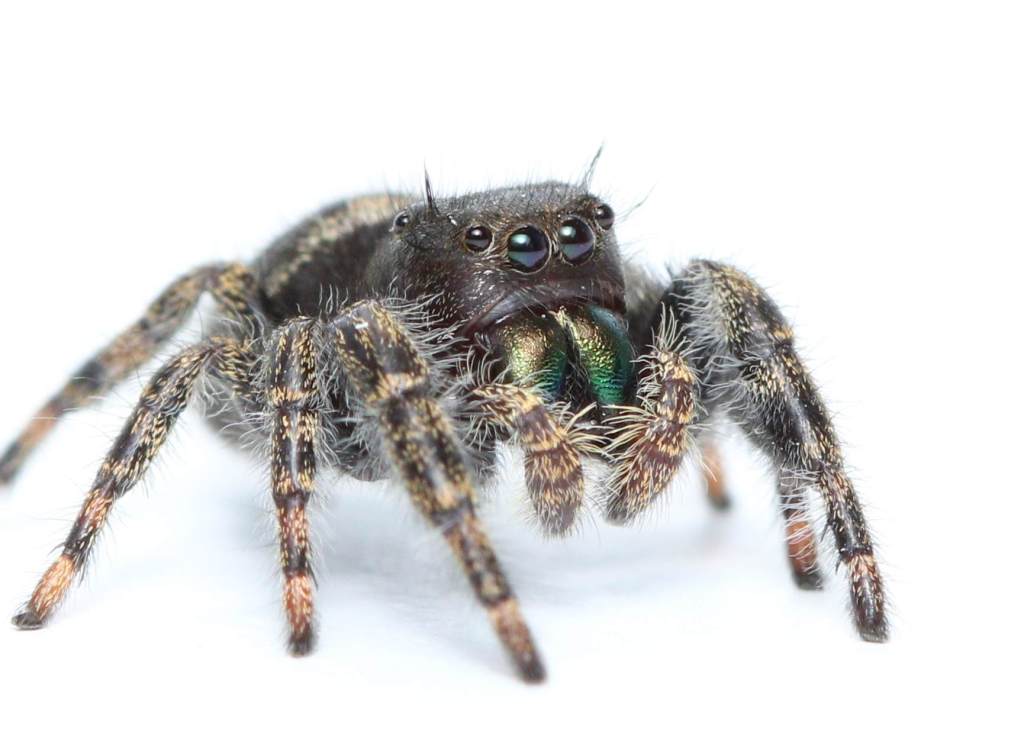

Jumping spiders also make very rewarding photography subjects, with their highly reflective eyes, large and often iridescent fangs, and the postures they adopt due to their constant attempts to visually scan their surroundings. I find it so funny when I make a sudden move or my flash flares, and the jumper leaps back an inch or so, immediately starting to scan the skies for the source of this unexpected disturbance.
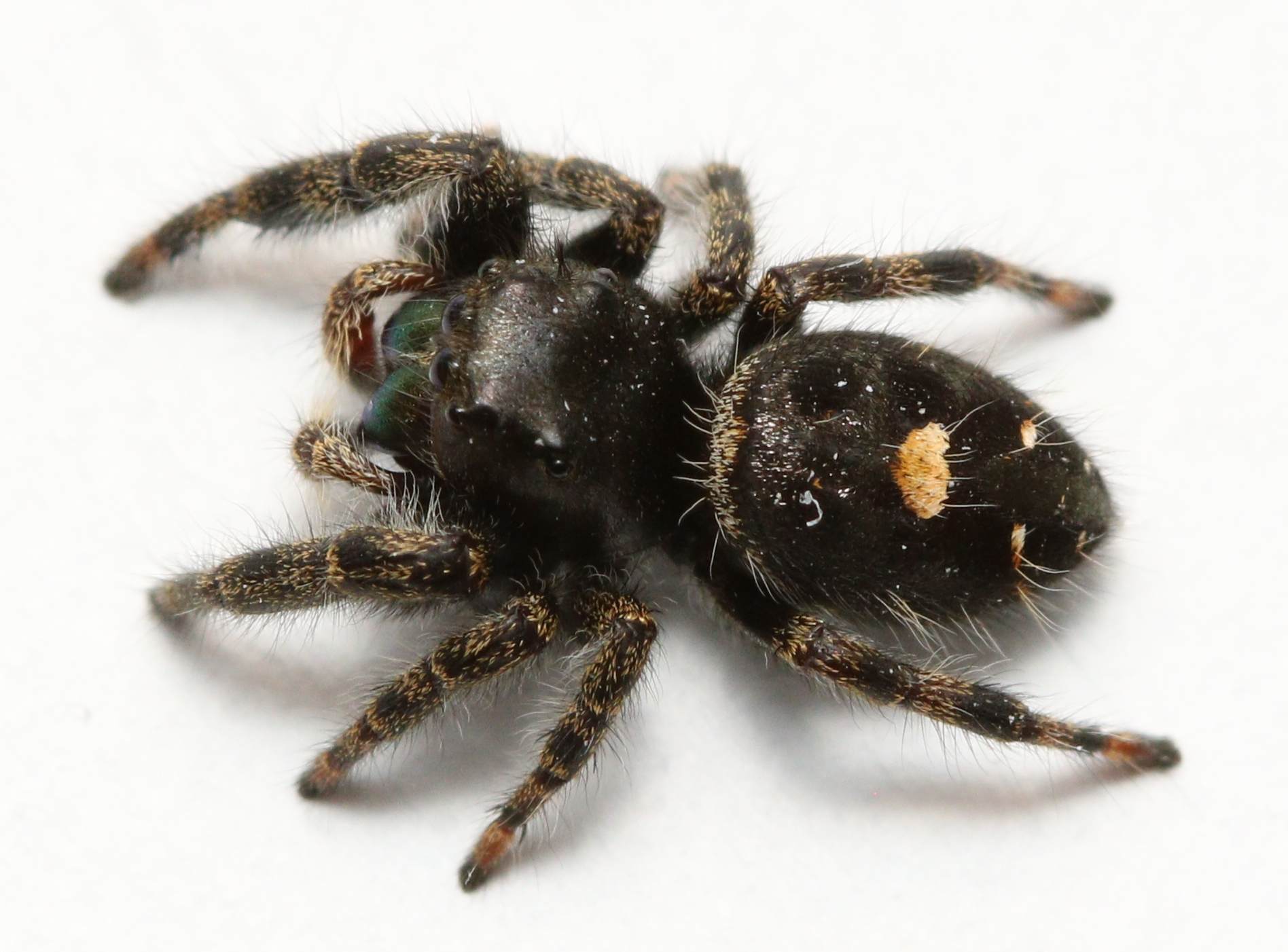

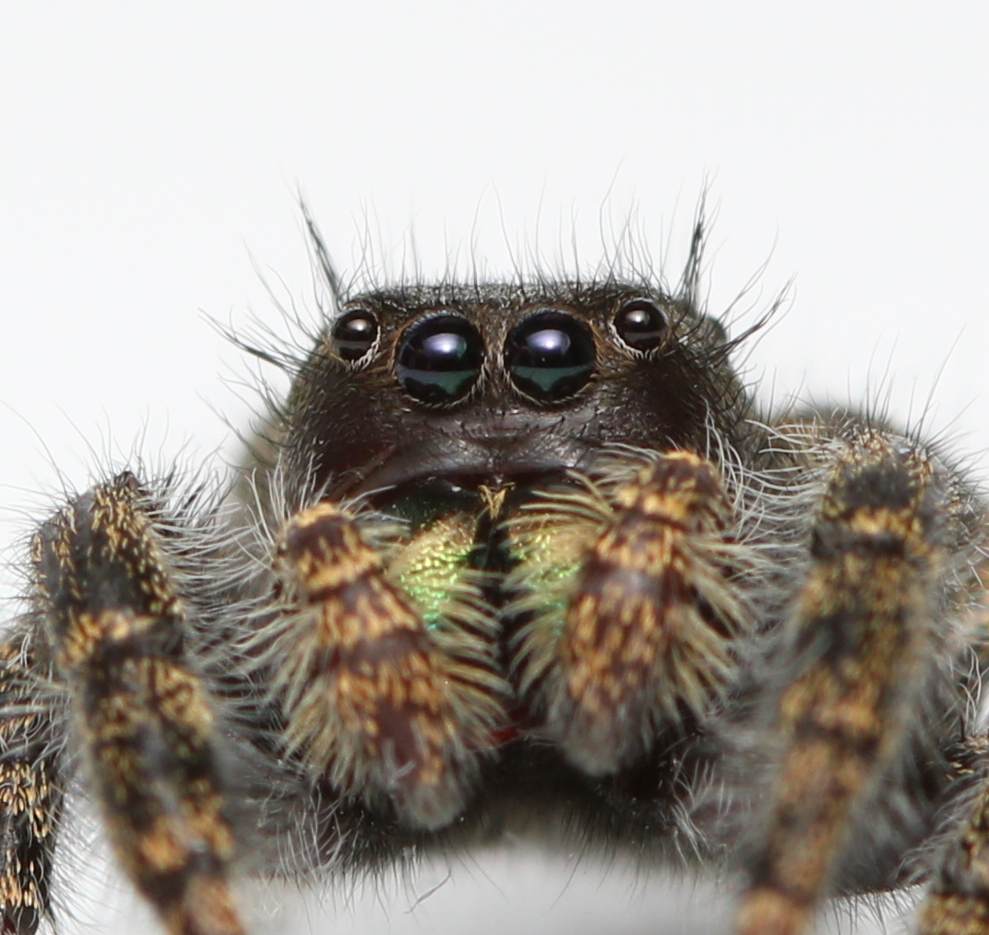
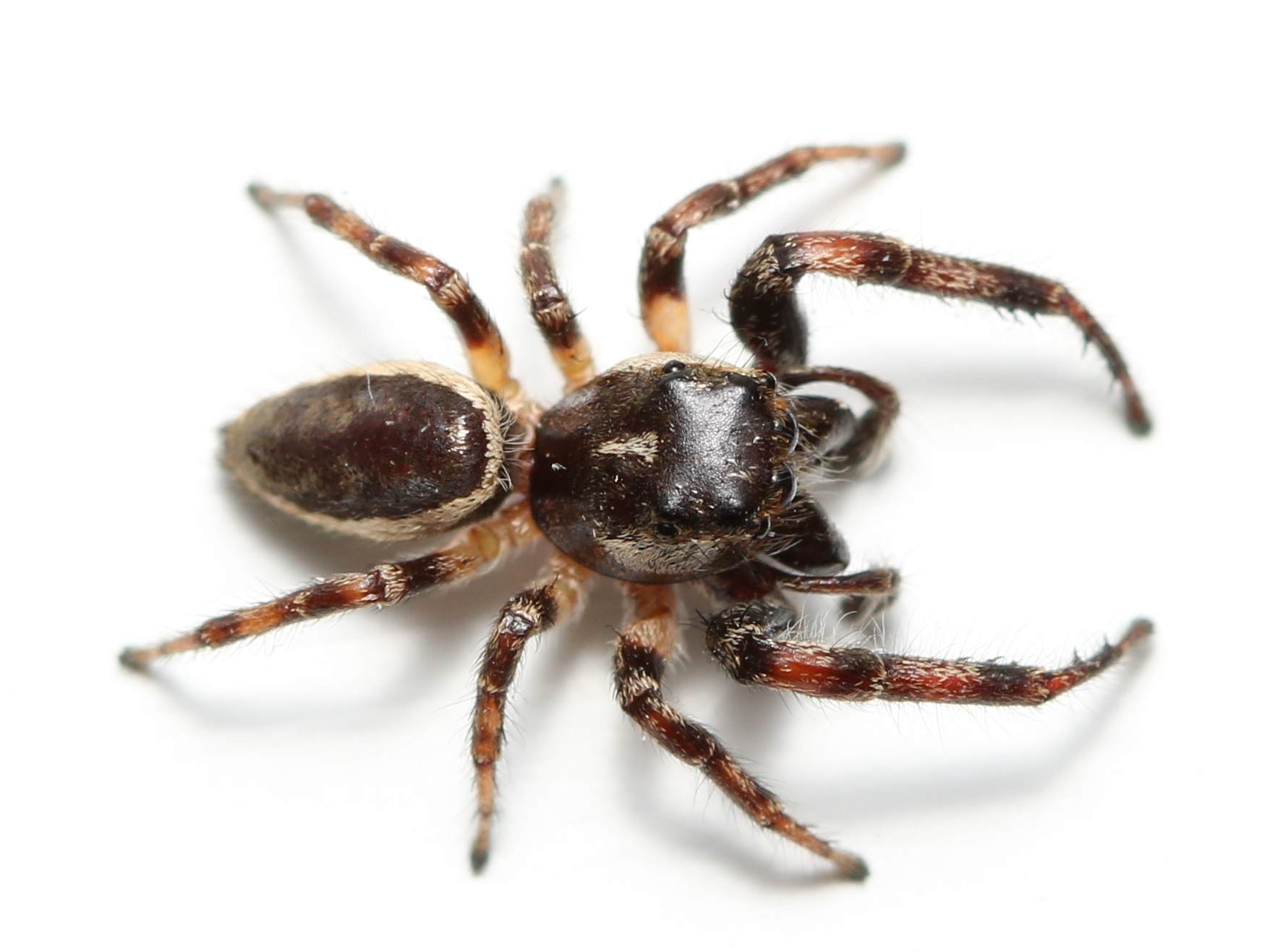
Their high visual capabilities (you can see one of all four pairs of eyes if you look closely in the picture below; the third eye from the front is tiny!), curiosity, intelligence, and cute fuzzy appearance make these spiders a pet favorite. We are currently keeping five individuals of different species, and they are quite happily eating fruit flies. I hope to get better pictures of jumpers in the future. The next two pictures are of a different species: the Bronze Jumper (Eris militaris).

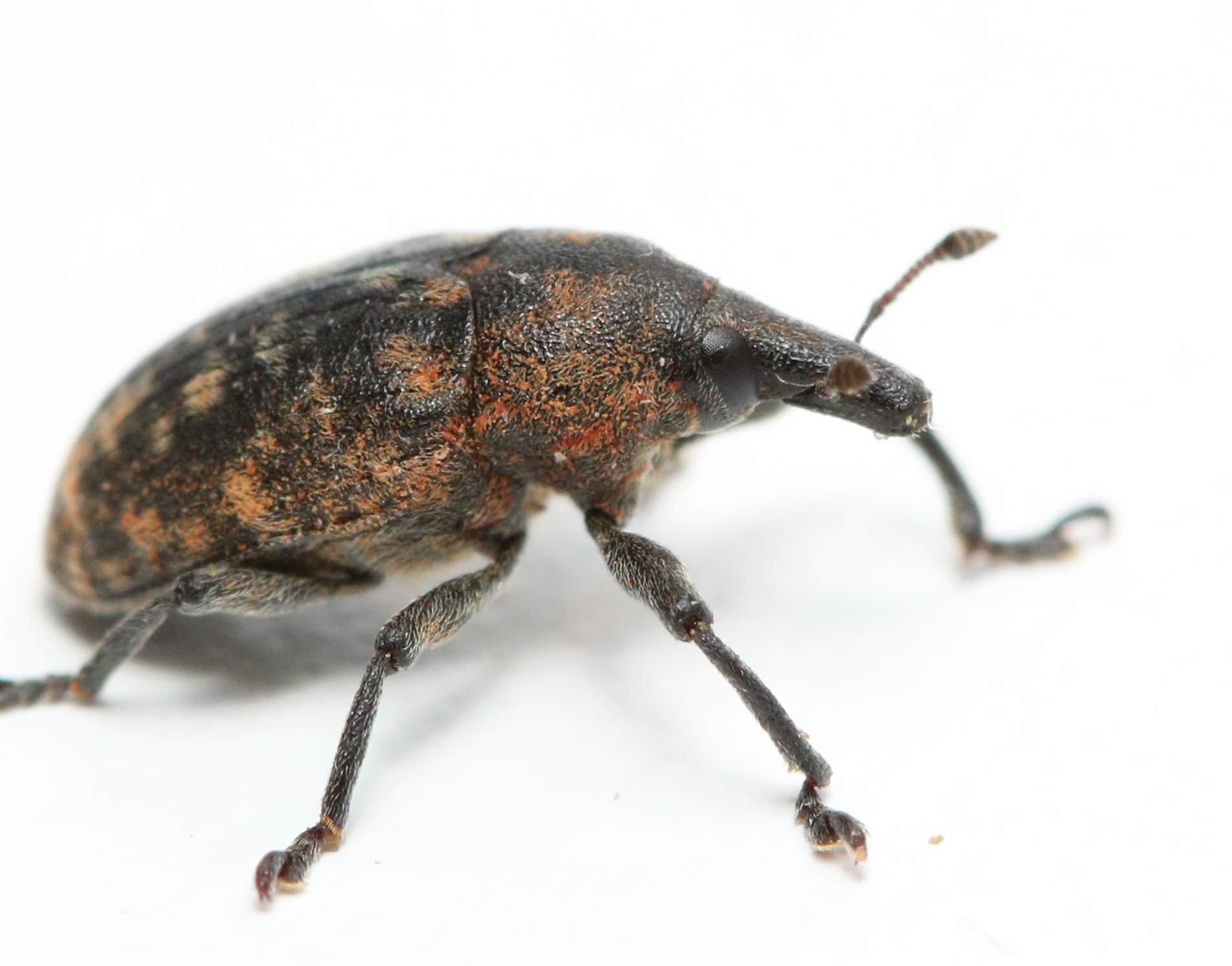
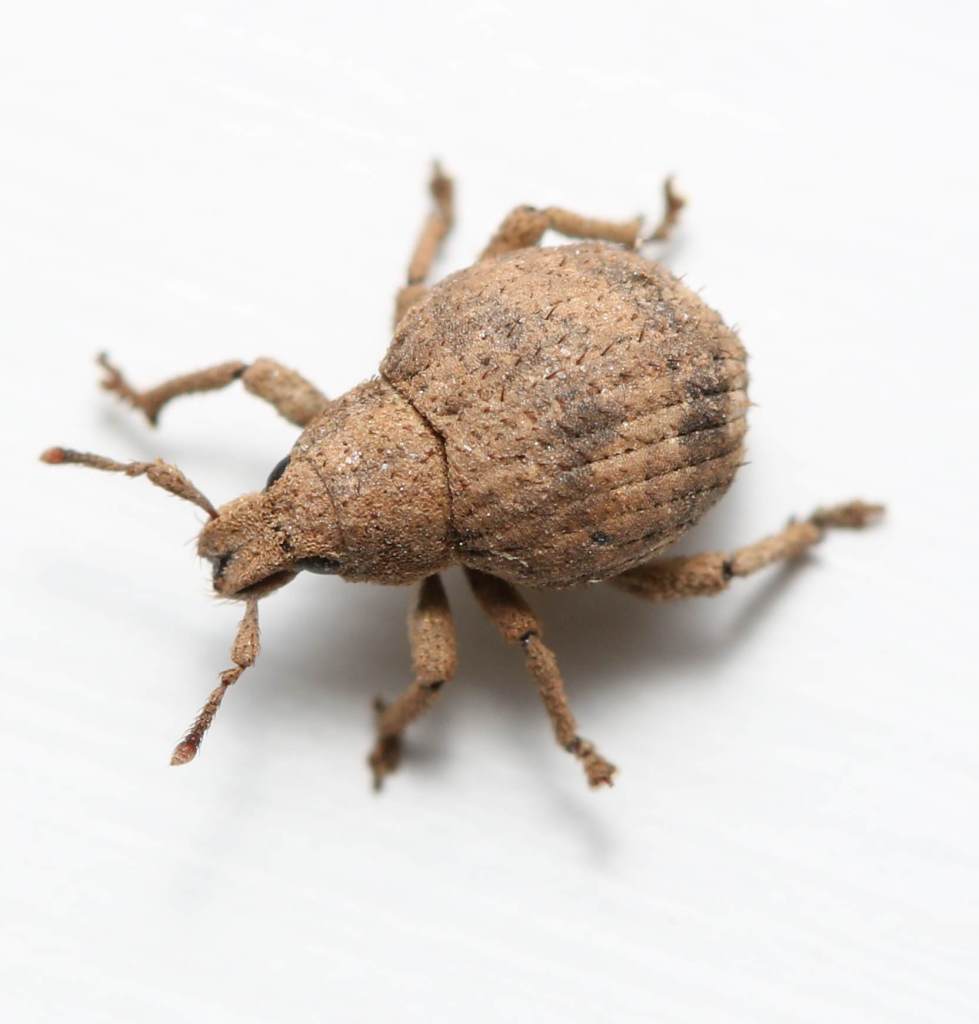
Assorted weevils
Families Curculionidae and Anthribidae





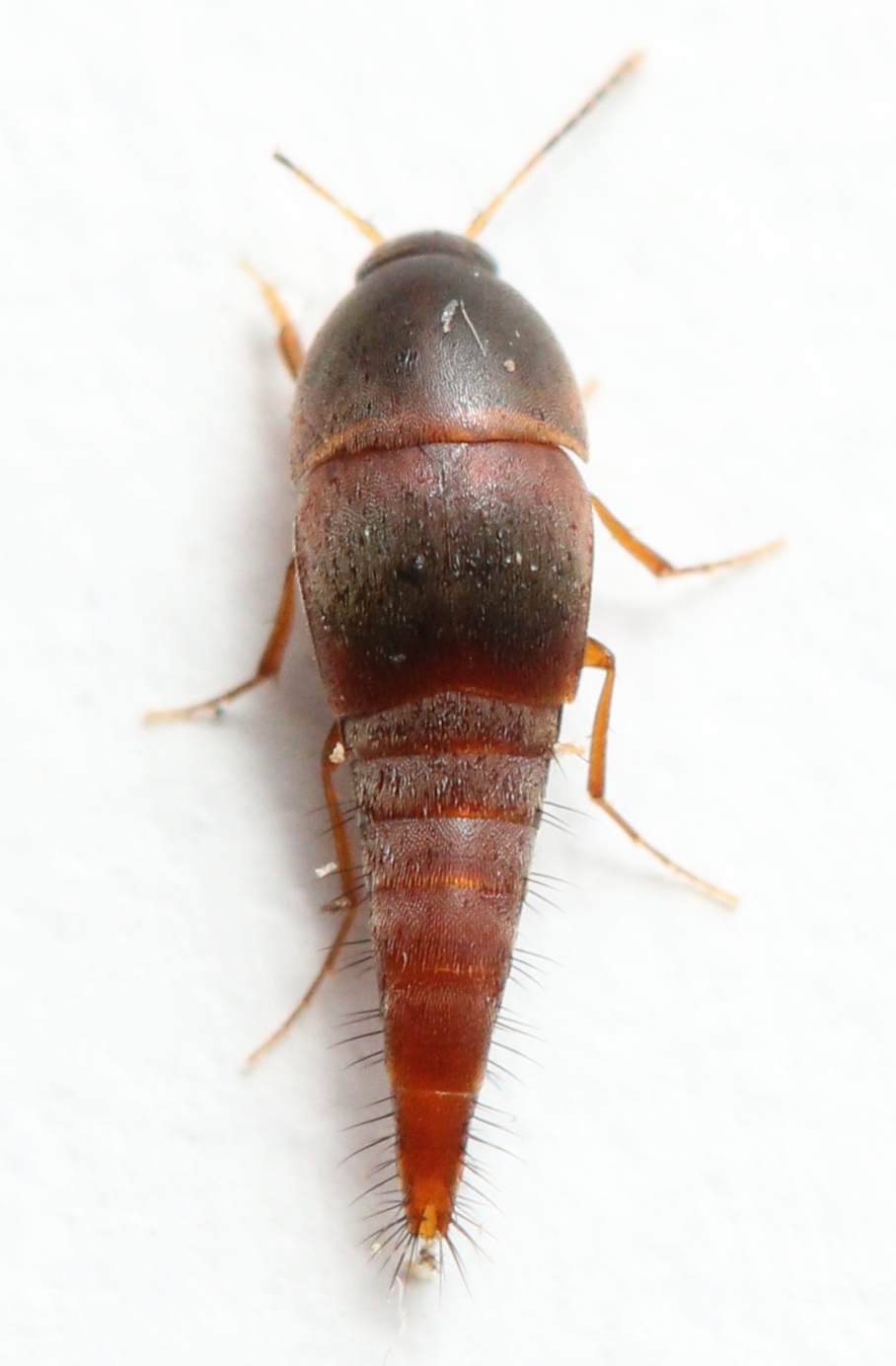
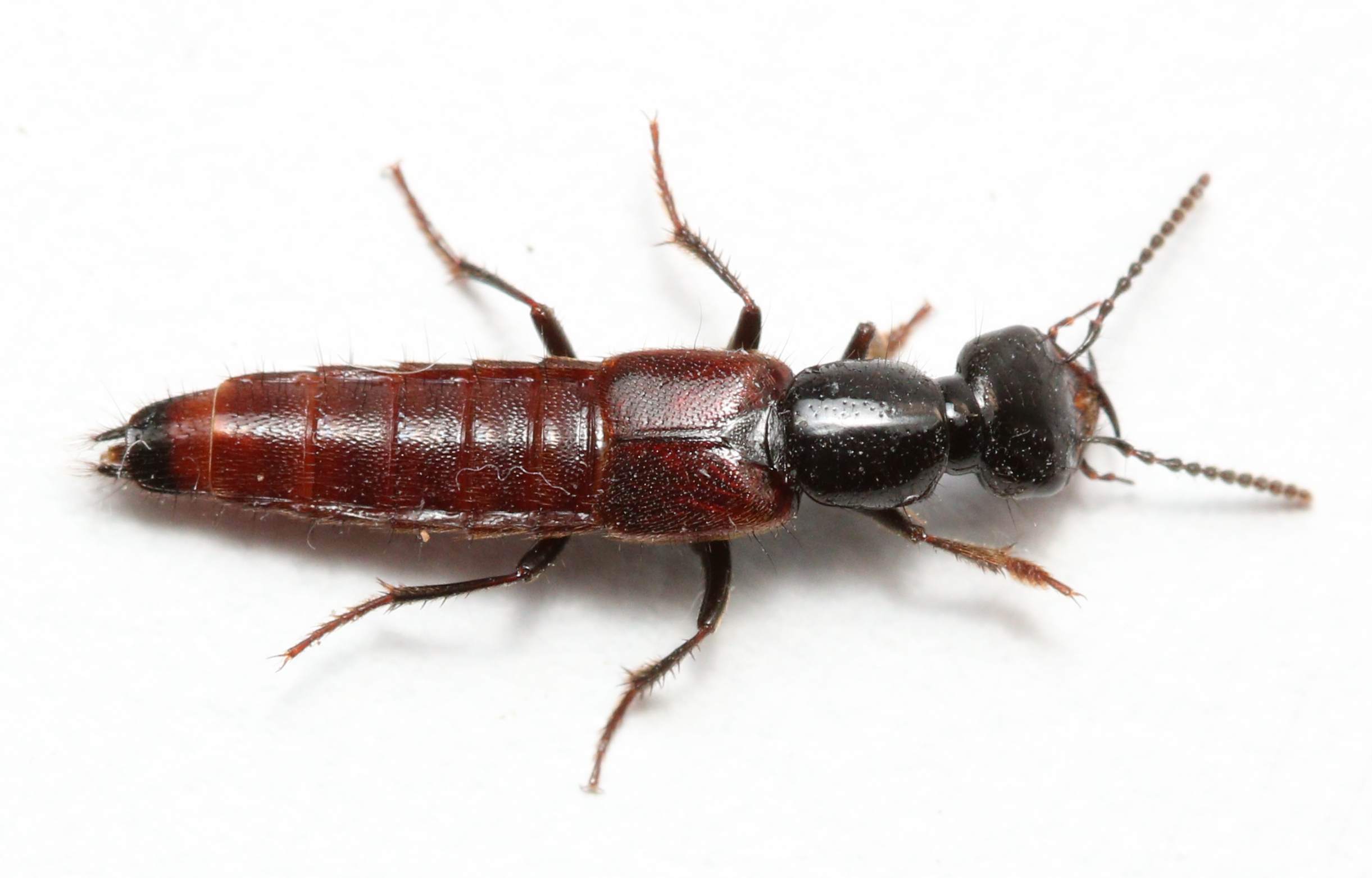
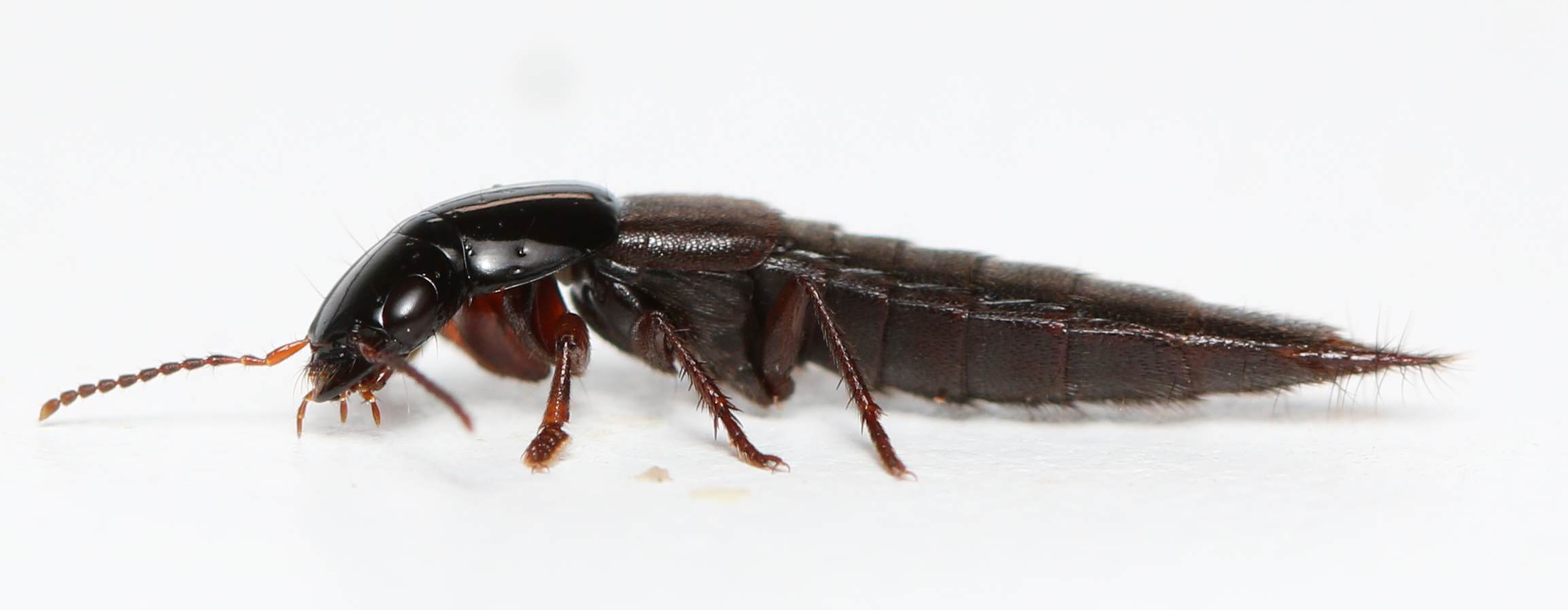
Assorted Rove Beetles
Family Staphylinidae
Rove beetles are typically easily recognizable by their abdomens, which protrude past their shortened wing cases. Most rove beetles can be found under logs or on carrion. They are predatory on other insects. Many species can spray formic acid from their tails



Assorted beetles
Order Coleoptera
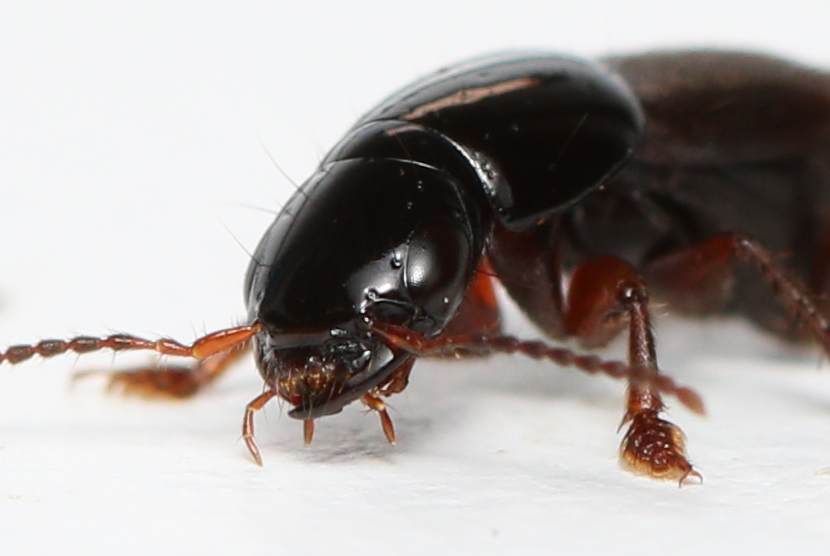
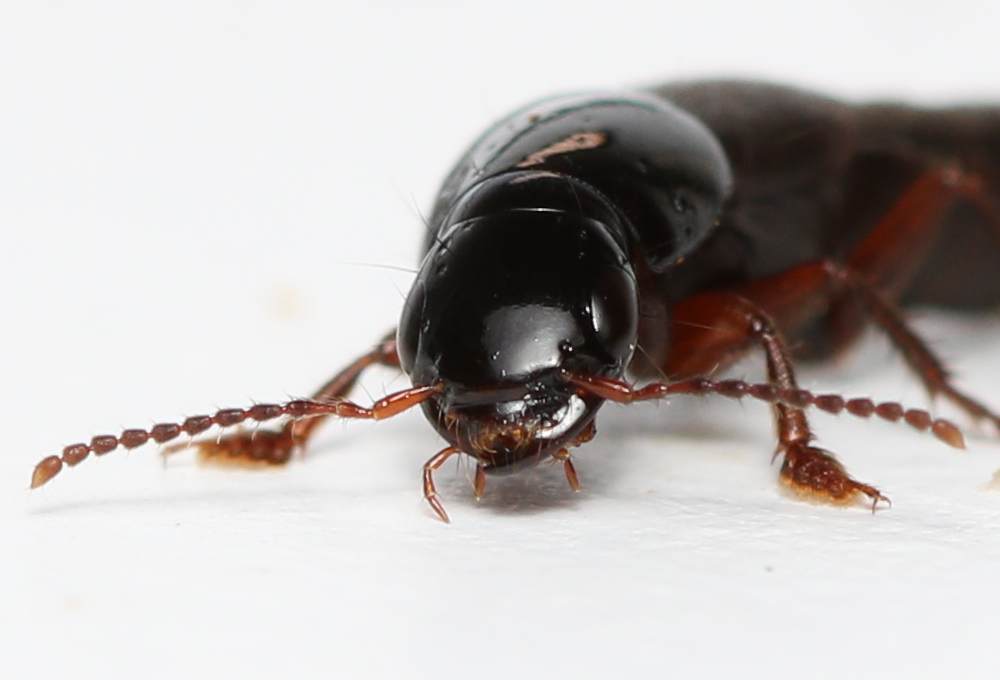
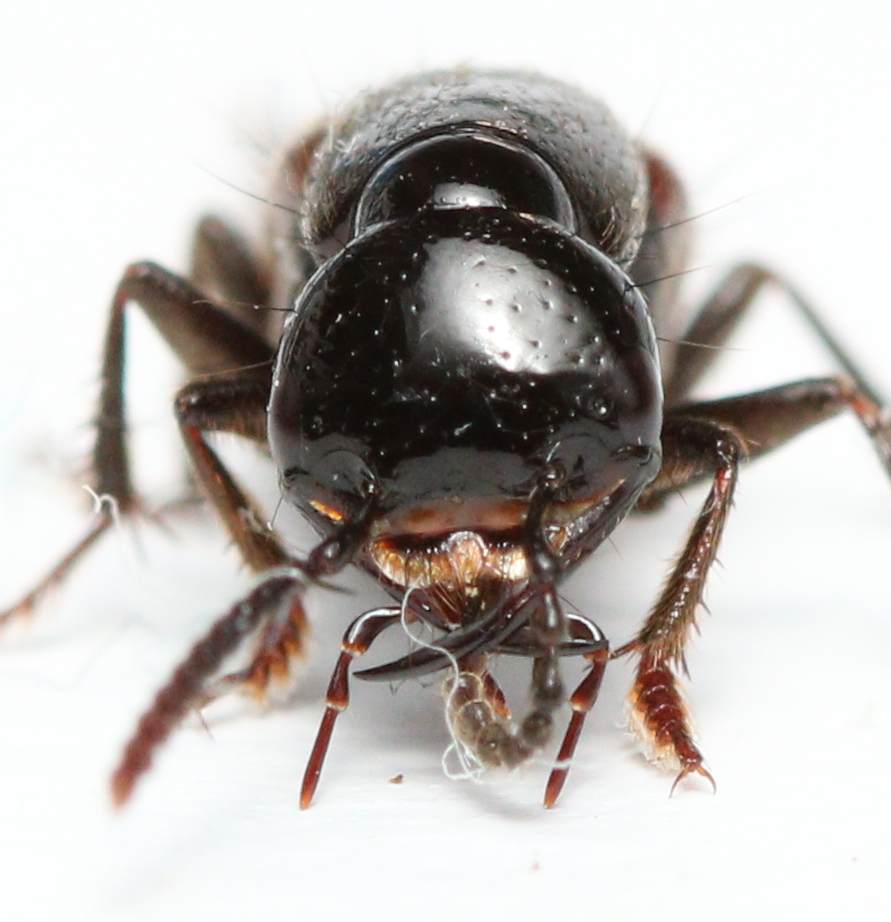
I wasn’t content with the previous two galleries, and just felt like I needed to add in a collection of some of the random beetles I have photographed recently. I thought you guys would probably like to see some more of my new camera’s work. 🙂